August 25, 2026
Elevate your skincare marketing strategy with product recommendation quizzes, dynamic emails, and other high-converting tactics.

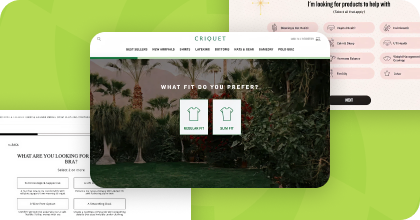
Build Your Own Product Quiz For Free Right Now
Simply give us your website URL and we will build you a completely on-brand product recommendation quiz for free.
Finding the right skincare products isn't always straightforward. Every shopper has different skin types, concerns, sensitivities, routines, and goals, making product discovery one of the biggest challenges for skincare brands. A successful skincare marketing strategy helps customers navigate those choices with personalized recommendations, educational content, and shopping experiences that build confidence before they buy.
The brands that stand out don't just market products; they help shoppers find the products that are right for them. Interactive skincare quizzes, routine builders, and personalized product recommendations make it easier to guide customers toward the best solutions while reinforcing your brand identity and collecting valuable zero-party data that can improve marketing across every channel.
Creating those experiences starts by:
A well-designed skincare quiz helps accomplish all four. By collecting zero-party data directly from shoppers, brands can simplify product discovery, deliver more personalized recommendations, and create skin care marketing campaigns that build stronger customer relationships well beyond the first purchase.

Skin care brand Every Man Jack uses a skincare quiz to help shoppers build a personalized routine based on their unique needs. Instead of asking customers to browse dozens of products on their own, the quiz guides them toward products that match their skin type, concerns, and goals, creating a smoother path to purchase.
That's a win for both shoppers and brands. Customers discover products that feel relevant to them, while brands can collect valuable zero-party data, grow their email and SMS lists, segment campaigns based on quiz responses, and deliver more personalized experiences across the customer journey.
For skincare brands, those insights extend beyond marketing. Quiz responses can reveal trends in customer concerns, ingredient preferences, and routine goals, helping inform merchandising decisions, product recommendations, future marketing efforts, and even product development, all while supporting stronger customer relationships and increasing customer lifetime value.
The impact can be significant. One skin care line using Digioh to improve product discovery and personalization saw:
Helping shoppers find the right products is one of the most effective ways to improve both conversion rates and customer loyalty. A well-designed skincare quiz removes guesswork from the buying process while giving brands the data they need to create more personalized ecommerce experiences.

Moon Juice uses a skincare quiz to connect shoppers with personalized recommendations based on their wellness goals, skin concerns, and lifestyle. Rather than asking customers to sift through an entire product catalog, the quiz helps them discover products and routines tailored to their individual needs.
This approach reflects a broader shift in skincare ecommerce marketing. As product assortments continue to grow, brands are investing in personalized shopping experiences that simplify product discovery, reduce purchase hesitation, and help customers feel more confident in their choices.
Looking for inspiration? Explore these product recommendation quiz examples to see how ecommerce brands are using quizzes to guide shoppers toward the right products while collecting valuable zero-party data for future personalization.
Whether you're launching a new skincare brand or optimizing an established ecommerce experience, interactive quizzes can help create more relevant product recommendations, stronger customer relationships, and higher conversion rates. They also give shoppers a compelling reason to engage with your brand across your website, email, SMS, and social media platforms.
Personalization can improve product discovery and conversion, but shoppers still need to find your brand in the first place. A strong skincare ecommerce marketing strategy combines acquisition channels that attract qualified visitors with personalized onsite experiences that help those visitors discover the right products.
Bringing qualified shoppers to your website is only the first step.
They also need an easy way to discover products that match their skin type, concerns, and goals. Experiences like skincare quizzes, personalized recommendations, and routine builders help shoppers find the right products and move confidently toward a purchase.
Some of the most effective ways skincare brands grow their audience include:
Influencer marketing and user-generated content (UGC) continue to play an important role in skincare ecommerce marketing because they help build trust before a customer makes a purchase. In fact, 68% of consumers look to influencers for information about beauty products.
For skincare brands, authenticity often matters more than audience size. Micro-influencers (typically creators with 10,000 to 100,000 followers) tend to have highly engaged communities that value honest product reviews, skincare routines, ingredient education, and before-and-after results.
Working with influencers and encouraging customers to share their own experiences can help skincare brands:
These efforts become even more effective when paired with personalized onsite experiences. After discovering a brand through an influencer or customer recommendation, shoppers can take a skincare quiz or receive personalized product recommendations to find products best suited to their skin concerns.
Influencer campaigns don't have to end with a social post.
When shoppers click through to your website, continue the experience with personalized onsite messaging. For example, Digioh can greet visitors referred by a specific influencer with a targeted pop-up featuring a welcome offer, exclusive discount code, or skincare quiz, creating a more seamless path from discovery to purchase.
Routine-based content also tends to feel more authentic than one-off sponsored posts because it shows how products fit into someone's daily skincare regimen. Pairing that content with educational resources and personalized product recommendations helps reinforce trust and gives shoppers more confidence in their purchase decisions.
When building an influencer program, focus on creators whose audience and content naturally align with your brand. You can connect with potential partners by:
Influencer partnerships are often the beginning of the customer relationship, not the end.
Once shoppers join your email or SMS list, you can continue personalizing product recommendations, skincare education, and promotional offers based on their interests and interactions with your brand.
Attracting shoppers to your website is only the first step. Many first-time visitors won't make a purchase on their first visit, making it critical to capture first-party and zero-party data for future engagement.
An email and SMS capture pop-up gives shoppers a reason to stay connected, whether that's through a welcome discount, exclusive content, early access to new products, or a personalized skincare quiz. Even if they leave without making a purchase, you've created an opportunity to continue the conversation via email and SMS.
Multi-step pop-ups make it easy to collect an email address, mobile number, or both while keeping the signup experience simple. Those subscribers can then receive personalized product recommendations, skincare education, replenishment reminders, and promotions based on their interests and interactions with your brand.
For skincare brands, pop-ups can do more than grow your subscriber list. They're an opportunity to introduce your brand, educate shoppers, and help visitors discover products that fit their skin concerns and goals from the very first interaction.
For example, you might invite shoppers to:
You can also tailor pop-up offers for different audiences.
New visitors might respond best to educational content or a first-purchase incentive, while returning shoppers may be more interested in product recommendations, replenishment reminders, or exclusive offers. A/B testing different messaging, offers, and creative can help identify the experiences that drive the highest engagement and conversion rates.

Growing your email and SMS lists is only the beginning. Long-term growth comes from keeping subscribers engaged with content, product recommendations, and offers that reflect their evolving skincare needs.
A preference center gives shoppers more control over the messages they receive, helping to reduce unsubscribes and improve engagement. Customers can choose the types of content they're interested in, adjust the frequency of communication, or pause messages without leaving your list entirely.
As part of a broader retention strategy, skincare brands can:
For example, someone focused on acne treatments may benefit from educational content, ingredient guides, and routine recommendations, while another customer interested in anti-aging products may prefer tips on retinol, hydration, and new product launches.
Regularly reviewing engagement metrics like open rates, click-through rates, and unsubscribe rates can help you refine your messaging and continue delivering experiences that encourage repeat purchases and long-term customer loyalty.
Personalized shopping experiences help convert visitors, but you still need a steady stream of qualified traffic. A well-rounded skincare ecommerce marketing strategy combines onsite personalization with acquisition channels that introduce your brand to new shoppers.
Some of the most effective ways to grow your audience include:
As new visitors discover your brand, onsite personalization becomes even more valuable. A skincare quiz can help you learn about each shopper's skin type, concerns, goals, and preferences, making it easier to recommend relevant products and create more personalized marketing across your website, email, and SMS channels.
Every shopper's skin is different, which is why personalization has become such an important part of a successful skincare marketing strategy. Understanding your customers' skin type, concerns, goals, ingredient preferences, and routines allows you to recommend more relevant products and create a better shopping experience.
One of the best ways to gather those insights is through zero-party data: information customers intentionally share with your brand. Unlike behavioral data, zero-party data gives you direct insight into what shoppers are looking for and how you can help.
That information can power personalized experiences across your website, email, and SMS, from tailored product recommendations to educational content and replenishment reminders.
So how do you collect it?
Interactive skincare quizzes and surveys make it easy for shoppers to share their needs and discover products that suit their skin type and concerns. At the same time, brands gain valuable customer insights that can improve segmentation, personalization, and future marketing campaigns.
Surveys help skincare brands better understand what customers think about their products, routines, and overall shopping experience. Whether you're launching a new product, refining your messaging, or improving the customer journey, surveys can uncover insights that aren't always visible through purchase or browsing data alone.
Combined with zero-party data from skincare quizzes, surveys can help brands identify new opportunities to improve product recommendations, educational content, and the overall customer experience.
Post-purchase surveys help skincare brands understand what influenced a customer's buying decision and how they can improve future shopping experiences. While quizzes capture preferences before a purchase, post-purchase surveys provide valuable feedback after the sale, helping brands refine everything from product recommendations to marketing campaigns.

These surveys can also identify which acquisition channels are driving conversions, collect product feedback, encourage reviews and user-generated content, and uncover opportunities to improve the customer experience.
Common post-purchase survey questions include:
The insights you collect can improve future product recommendations, merchandising decisions, and marketing campaigns while helping build trust through customer reviews and user-generated content.
Learn more in our guide: Post-Purchase Survey Examples, Best Practices, and Sample Questions
Net Promoter Score (NPS) surveys measure customer loyalty by asking one simple question: How likely are you to recommend our brand to a friend or colleague? Customers respond on a scale from 0 to 10 and are typically invited to explain the reason behind their score.

For skincare brands, NPS surveys can uncover valuable insights about product performance, customer satisfaction, and the overall shopping experience. You can also include follow-up questions such as:
The feedback can help identify opportunities to improve products, refine the customer journey, and strengthen retention over time. It can also highlight common themes that inform product recommendations, educational content, and future marketing campaigns.
Surveys provide valuable customer feedback after the purchase, but they're only one way to collect zero-party data. Interactive skincare quizzes help brands gather insights earlier in the customer journey, enabling them to personalize product recommendations before purchase.
A skincare quiz is one of the most effective ways to personalize product discovery for first-time shoppers. Instead of asking customers to browse dozens of products on their own, quizzes collect zero-party data about each person's skin type, concerns, goals, and preferences before recommending products that fit their needs.
It creates a better shopping experience for your customer while providing valuable insights that can be used to personalize future interactions across your website, email, and SMS campaigns.

RANAVAT, for example, uses a skincare quiz to help shoppers discover personalized skincare and haircare routines tailored to their needs.
Quizzes also make it easier to recommend complete routines instead of individual products. By pairing complementary products into a personalized regimen, brands can help customers build an effective skincare routine while increasing average order value. In fact, routine builders have been shown to increase AOV, with completion rates as high as 75% and average order value increases ranging from 9% to 55%.

Oars + Alps also uses an interactive quiz to guide shoppers toward products that match their skincare goals, making it easier to discover the right routine with confidence.
The quality of those recommendations depends on the questions you ask. The following skincare quiz questions can help you collect meaningful zero-party data and recommend products more accurately.
The best skincare quizzes collect information that directly influences product recommendations. Every question should help you better understand a shopper's skin concerns, preferences, or routine so you can recommend products with confidence.
Consider including questions such as:
The responses can be used to personalize product recommendations, build complete skincare routines, segment email and SMS campaigns, and tailor onsite messaging. They can also inform product page content, helping highlight the benefits, ingredients, and educational information most relevant to each shopper.
Looking for more inspiration? Browse our collection of quiz question ideas to build a skincare quiz that aligns with your products and customers.
Collecting zero-party data is only valuable if you use it to create more relevant customer experiences.
The insights shoppers share through skincare quizzes and surveys can power personalized product recommendations, tailored email and SMS campaigns, dynamic onsite content, and product bundles that reflect each customer's unique skin type, concerns, and goals.
Personalization starts with connected customer data, but many brands still have gaps in their data strategy. According to Forrester, 27% of brands don't collect first-party loyalty data, 38% don't collect zero-party data, and 23% have little or no integration between their loyalty platforms and other customer data systems. As a result, they struggle to deliver the personalized experiences shoppers increasingly expect.
The following strategies can help skincare brands strengthen their skin care marketing plan by improving product discovery, increasing conversions, and building stronger customer relationships.
A skincare quiz shouldn't end when a shopper submits their answers. The quiz results page is an opportunity to recommend products, explain why they're a good fit, and help customers build a routine tailored to their skin type, concerns, and goals.
Instead of presenting a single product, consider recommending a complete regimen that includes complementary products such as cleansers, serums, moisturizers, and SPF. Explaining how each product fits into a daily routine helps shoppers feel more confident in their purchase decisions while increasing opportunities for cross-sells and bundles.
The experience should continue after the quiz. Sending personalized quiz results by email gives shoppers another opportunity to review their recommendations, learn more about the products, and complete their purchase whenever they're ready.

Moon Juice, for example, delivers personalized skincare and supplement recommendations by email, making it easy for customers to revisit their results and shop at their convenience. Follow-up emails can also include educational content, ingredient information, customer reviews, and routine tips that reinforce each recommendation and keep shoppers engaged long after their first visit.
Quiz responses become even more valuable when they're used to personalize email marketing. Rather than sending the same campaigns to every subscriber, skincare brands can segment customers based on the information they intentionally share and deliver more relevant content to their needs.
Skin type, skincare goals, ingredient preferences, and quiz-recommended routines all provide valuable segmentation opportunities. Using those insights, brands can deliver product recommendations, educational content, replenishment reminders, and promotions that are more relevant to each customer.
Someone looking for solutions for dry skin may receive hydration tips, moisturizer recommendations, and seasonal skincare advice, while a customer focused on acne could receive content about blemish-fighting ingredients, complementary products, and routine-building guidance.
As customers continue to interact with your brand, combine quiz responses with purchase history and onsite behavior to create even more personalized email and SMS campaigns. It's an effective way to strengthen your skin care marketing strategy, build stronger customer relationships, and encourage repeat purchases.
Zero-party data doesn't lose its value after a shopper completes a quiz. The insights customers share can power personalized product recommendations across every stage of the customer journey, helping shoppers discover products that align with their skin concerns, goals, and preferences.
If a shopper indicates they're concerned about sun exposure, you can personalize their experience with SPF product recommendations and educational content across channels, including:
Delivering consistent recommendations across channels creates a more cohesive shopping experience and helps reinforce the products most relevant to each customer.

Cay Skin, for example, combines an interactive quiz with personalized product recommendations to help skincare buyers discover sun care products that fit their needs and routines.
When customers consistently receive recommendations that reflect their preferences, they're more likely to complete a purchase, return for future orders, and build long-term loyalty with your brand.
Every quiz response helps paint a clearer picture of what your customers are looking for. Over time, those insights can help skincare brands refine their messaging, improve product recommendations, identify emerging trends, and make more informed marketing decisions.
Patterns in quiz responses can reveal opportunities to:
Quiz data can also influence merchandising and product development. If a growing number of shoppers identify the same skin concern or ingredient preference, those insights can help guide future product improvements or inspire new product lines that better reflect customer demand.
The more you learn about your customers, the easier it becomes to create marketing campaigns, shopping experiences, and products that feel relevant to their needs.
The most successful skincare brands make it easier for shoppers to find products that fit their unique skin concerns and goals. By combining quizzes, zero-party data, and personalized product recommendations, you can create shopping experiences that increase conversions while building long-term customer loyalty.
Digioh helps skincare brands create interactive quizzes, personalized onsite experiences, email and SMS capture campaigns, and product recommendations that guide shoppers to the right products from their very first visit.
Ready to get started? Learn how Digioh's product recommendation quizzes can help shoppers discover their ideal skincare routine. Or schedule a demo to see how personalization can help grow your skincare ecommerce business.
Don’t settle for siloed tools. With Digioh, you get one powerful platform for pop-ups, product quizzes, onsite identification, and more—everything you need to personalize every step of the customer journey. Identify more traffic. Collect more zero-party data. Turn insights into revenue.