February 26, 2026
Most ecommerce personalization breaks down the moment a cookie expires. Here's why persistent shopper identification is the fix, and what it looks like when brands get it right.
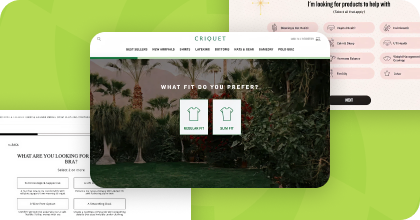
Build Your Own Product Quiz For Free Right Now
Simply give us your website URL and we will build you a completely on-brand product recommendation quiz for free.
One of the more frustrating problems in ecommerce is that most tools forget who a shopper is the moment a cookie expires. We've all been there…getting a "Welcome! First time here?" pop-up from a brand we've ordered from three times, or being asked for our email by a site that emailed us yesterday.
It’s more common than it should be, and is often a direct result of how most identification works today. Over the last couple years, we’ve been focused on building an answer to this.
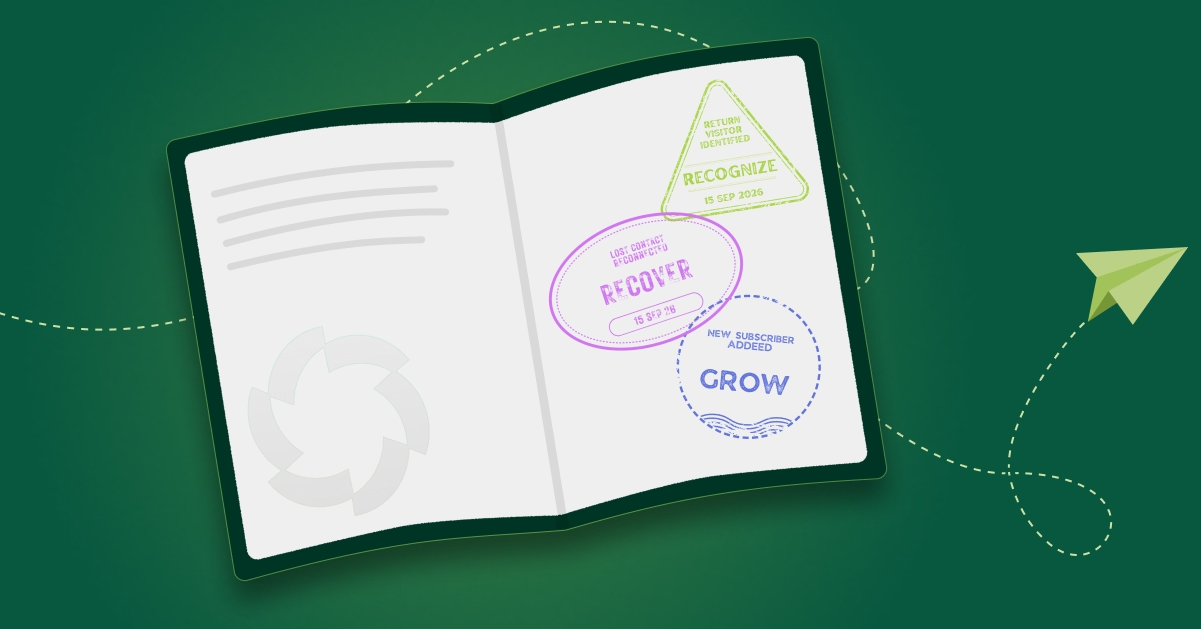
Digioh Passport is our identification solution designed to recognize and remember shoppers, so the flows, segments, and onsite experiences you've already built work the way you intended.
Here’s why that matters, and what it looks like when brands put it to work.
Most personalization tools are event-driven. A shopper views a product, adds something to their cart, clicks an email, or submits a form, and those actions trigger flows, pop-ups, and campaigns. It's a logical model, and it's been the backbone of ecommerce marketing for years.
The limitation is that events are tied to sessions, and sessions are tied to cookies. Cookies, especially in Safari (which now expire in as little as 24 hours) don't last long.
So when a shopper comes back to your site a few days after their last visit, there's a decent chance they’re treated as a brand new visitor.
The quiz they completed, the cart they built, the ESP profile they belong to. None of that’s visible unless the original identifier is still intact.
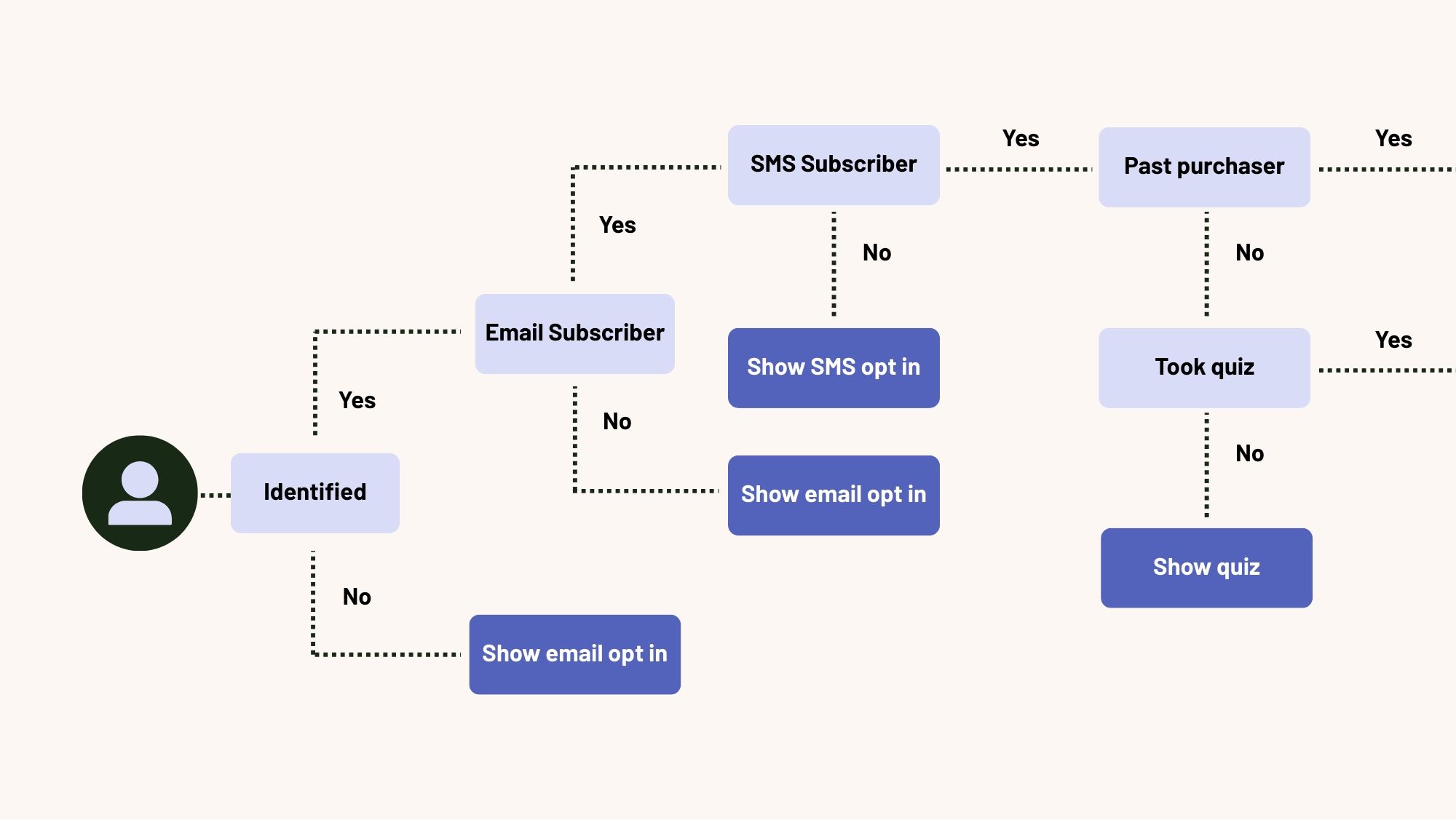
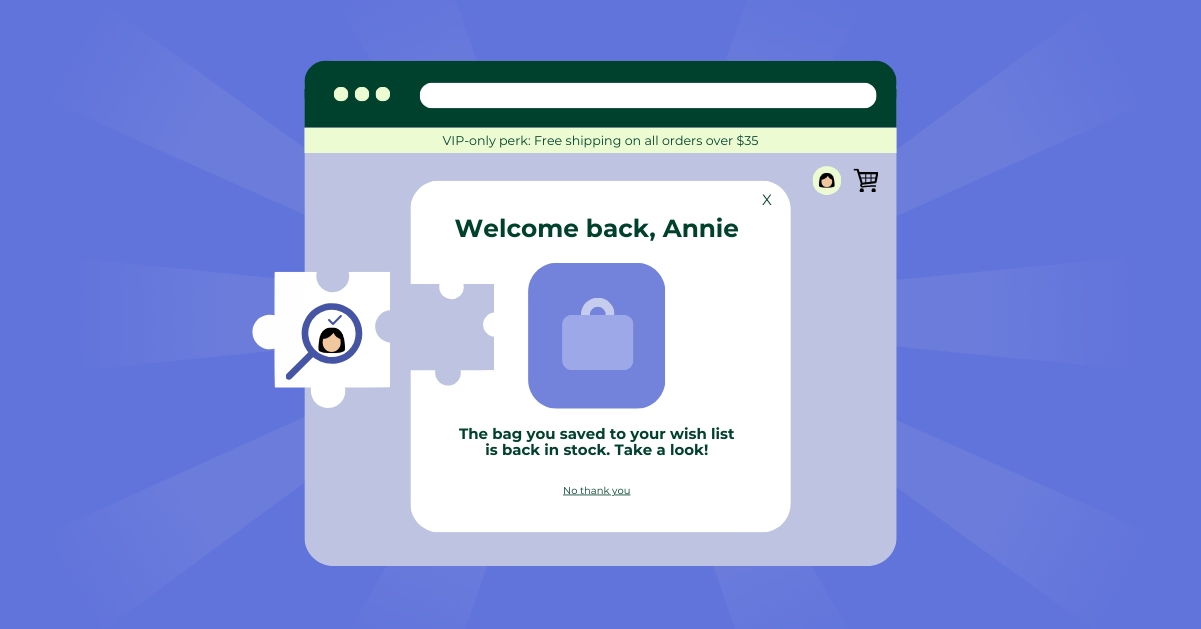
The idea behind identity-first personalization is that shopper identity persists beyond a single session, so when someone returns, your tools recognize them and can pick up where they left off.
It shifts the question your tools are asking. Session-based tools are focused on "what just happened?" But identity-first tools also ask "who is this person, and what do we already know about them?"
Here's a simple way to think about the difference:
A shopper takes your skincare quiz in January, browses a few products, and leaves without buying. They come back in February.
Over time, that compounding effect is where the real gap opens up between brands that have solved for identity and those that haven't.
The best way to understand the value of identity-first personalization is to see it in action. Here are a few brands using Digioh Passport and what’s possible with persistent identity.
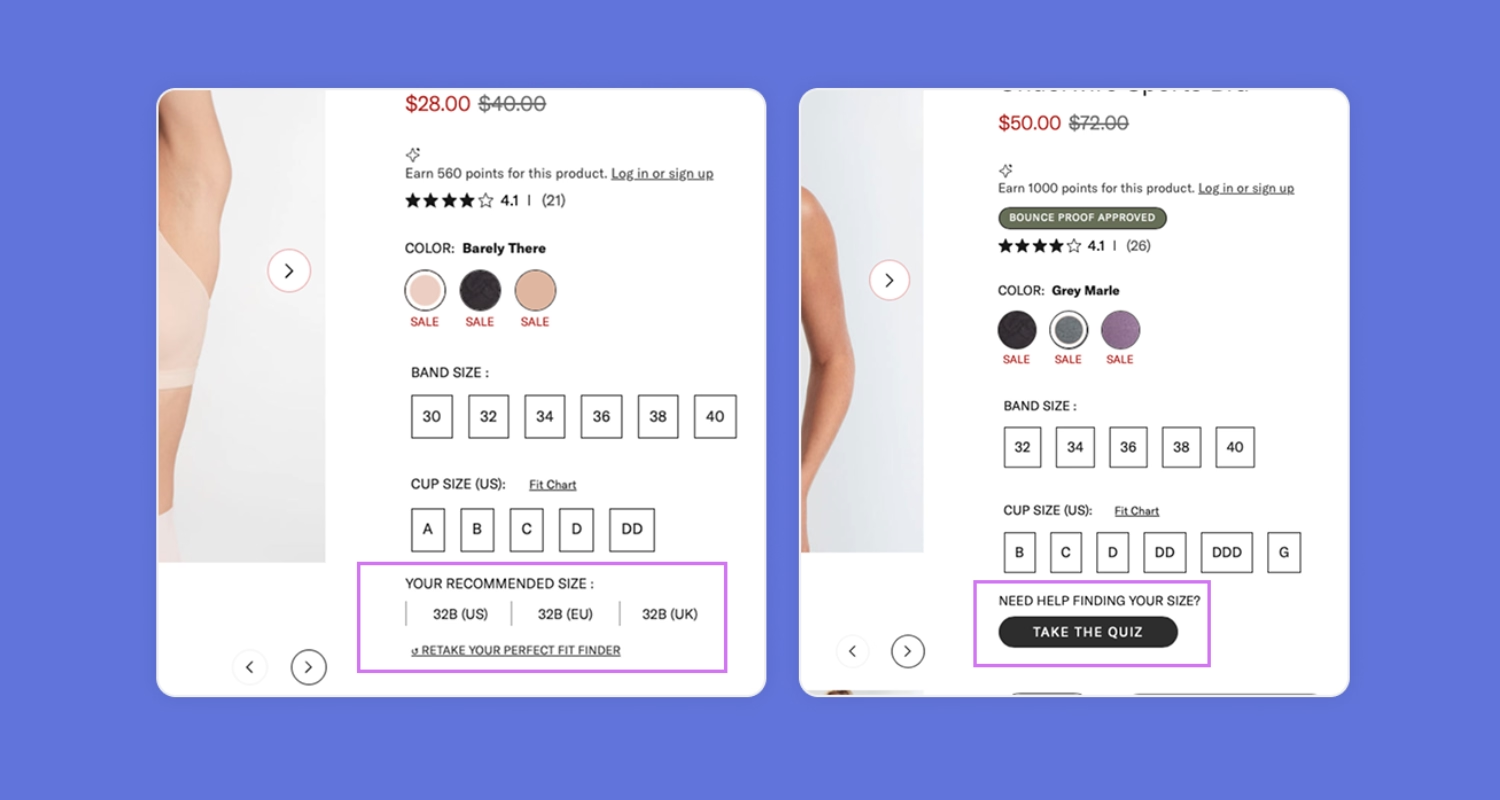
Sizing is one of the biggest friction points in bra shopping, so Bare Necessities built a fit quiz to address it. The identity piece is what makes it carry weight beyond the first session.
When a returning shopper lands on a product page, their recommended sizing from the quiz is already there, surfaced directly on the PDP. If they haven't taken the quiz yet, that same real estate shows a prompt to take it, right at the moment it's most relevant.
The experience adapts based on what Digioh already knows about that visitor, which means known shoppers move through the page more confidently and new shoppers get guided toward the context they need.
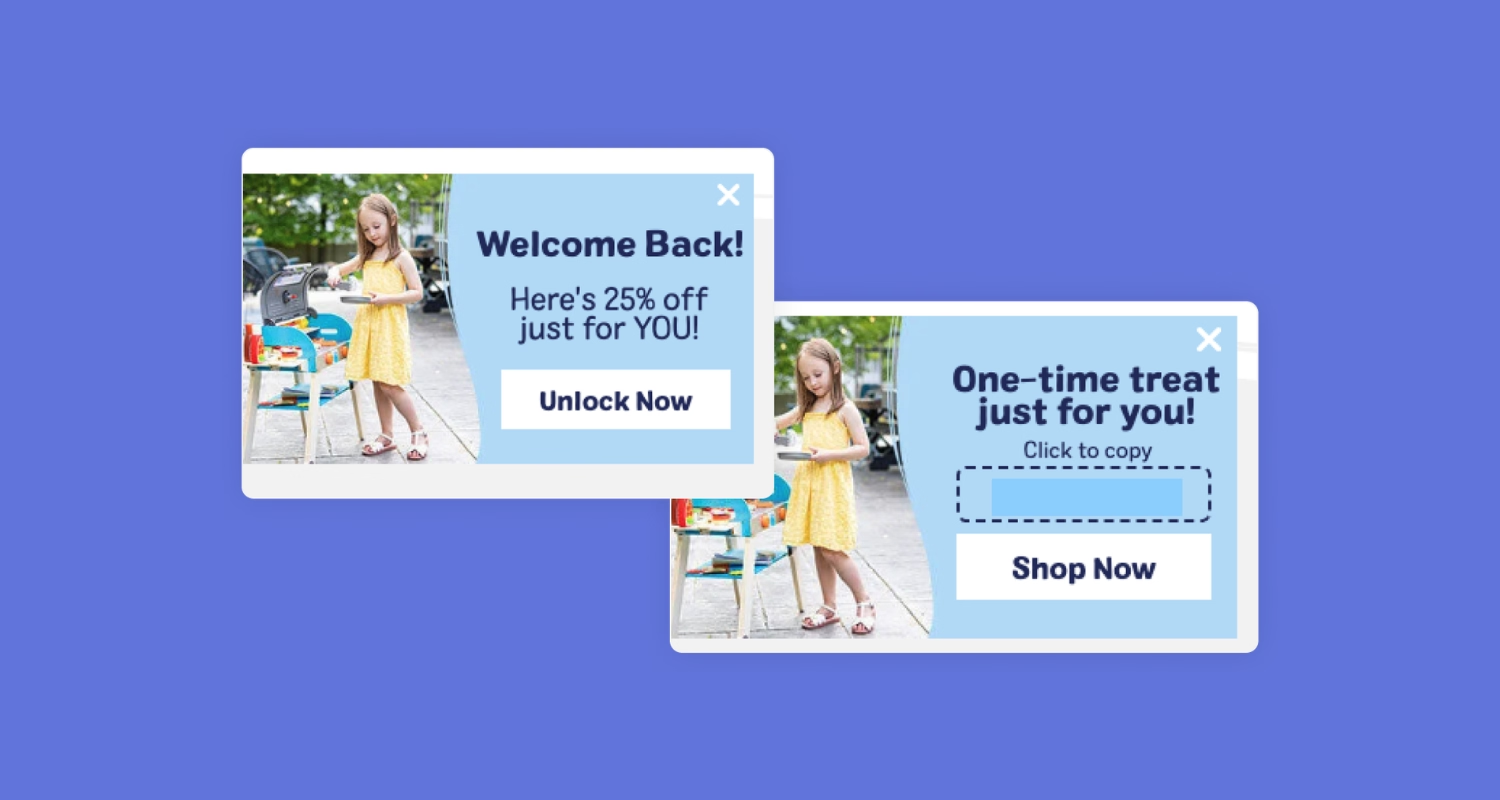
Blanket discounts have a well-known downside: they reward shoppers who likely would have converted anyway and gradually condition others to wait for a deal.
Melissa & Doug takes a more targeted approach using Digioh's display rules alongside their Klaviyo integration.
The discount only surfaces for a specific segment: returning visitors who've browsed at least twice in the past year but haven't yet purchased. When that shopper unlocks the offer, the code copies automatically to their clipboard and a persistent banner keeps it visible until it’s used, without repeating the prompt.
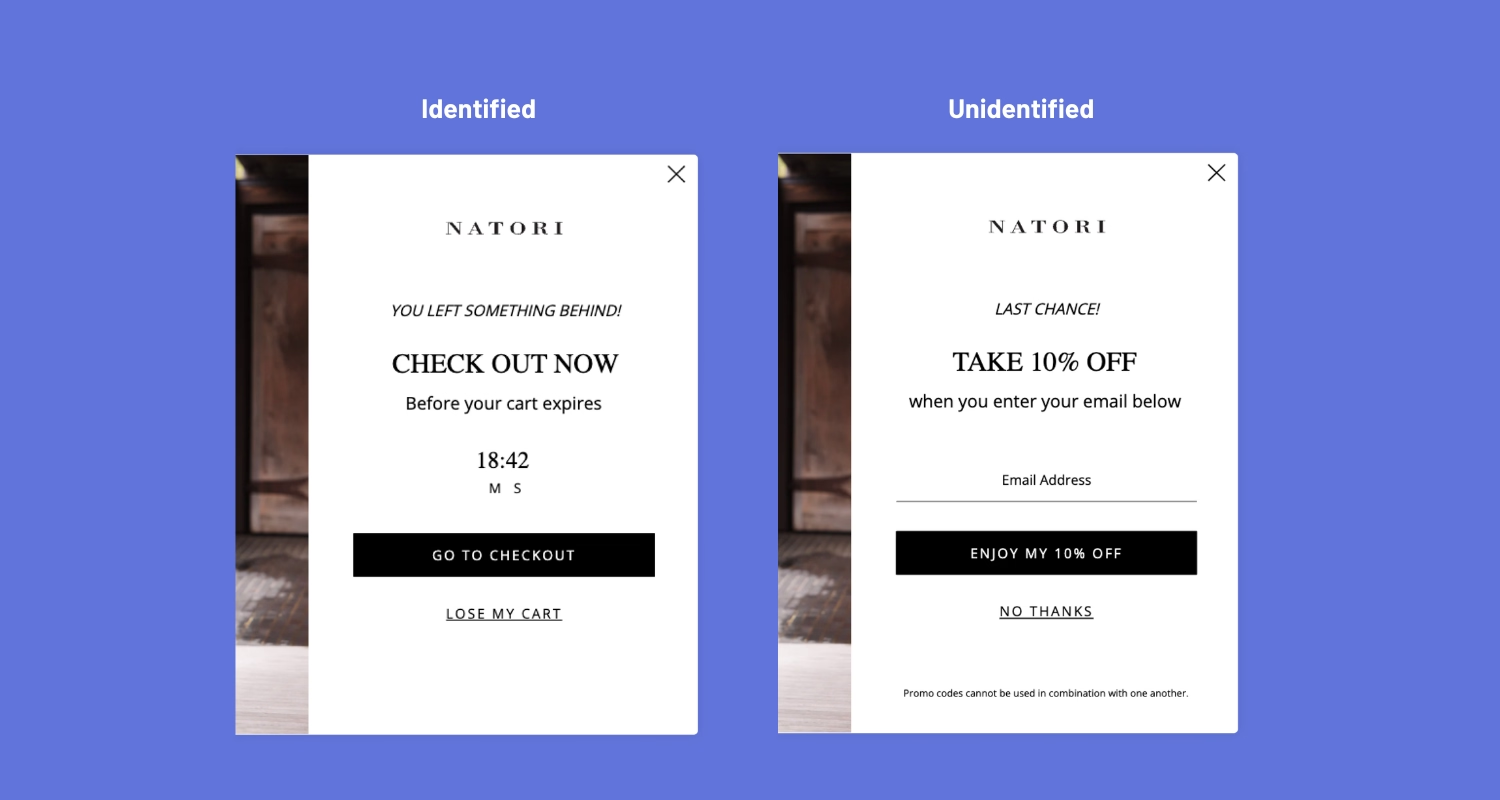
Exit intent doesn’t need to behave the same way for every shopper.
When a shopper who's already been identified, and has items in their cart, shows exit intent, Natori’s experience directs them straight to checkout. There's no discount or friction. The focus is on giving them a clear path back to the thing they were already close to doing. If they leave anyway, an abandoned cart email can follow because their identity is already known.
For an unidentified shopper in the same situation, the pop-up takes a different approach: a discount in exchange for their email, giving Natori one more shot at either recovering the cart or capturing enough information to follow up. It’s the same triggering event but with two different responses.
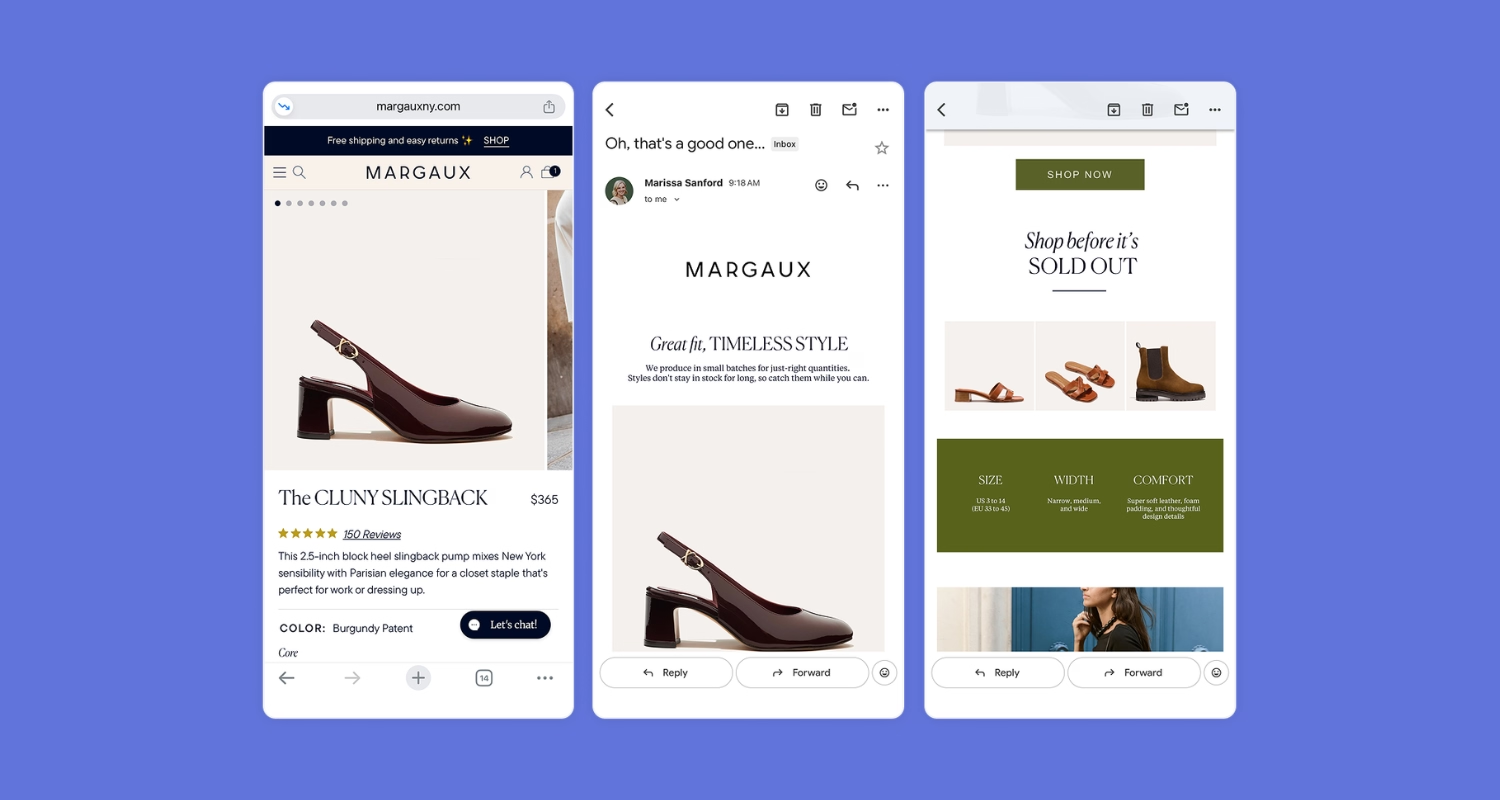
Like most brands, Margaux leans on browse, cart, and checkout abandonment flows for recovery revenue. The challenge is that those flows often depend on cookie-based identification, and when cookies expire, the flow simply doesn't fire—even if the shopper is someone Margaux already knows.
With Digioh Passport, Margaux sends identity-backed events (product viewed, added to cart, checkout started) directly into Klaviyo. Because the identification persists beyond the default cookie window, those events stay usable even after a browser resets, meaning flows work the way they were designed to.
A shopper who viewed a specific pair of shoes, left, and returned days later can still receive a relevant follow-up featuring exactly what they were looking at.
Acquisition costs are higher than they were a few years ago, browser-level privacy changes have made cookie-based tracking less reliable, and shoppers' expectations around relevance and continuity keep climbing.
When identification is fragile, everything built on top of it (think: segmentation, lifecycle flows, on-site personalization) becomes a little less precise.
That's the problem Digioh Passport is designed to solve. Built to recognize more returning visitors, connect anonymous behavior to known profiles, and make that identity actionable whether you're personalizing onsite or triggering campaigns in your ESP, it's the identification foundation that makes the rest of your personalization strategy more effective.
If you're an existing Digioh customer, it's worth a look at how much of this you're using today. And if you're not using Digioh but you’re thinking more broadly about the direction your personalization strategy is heading, we're always here to chat!
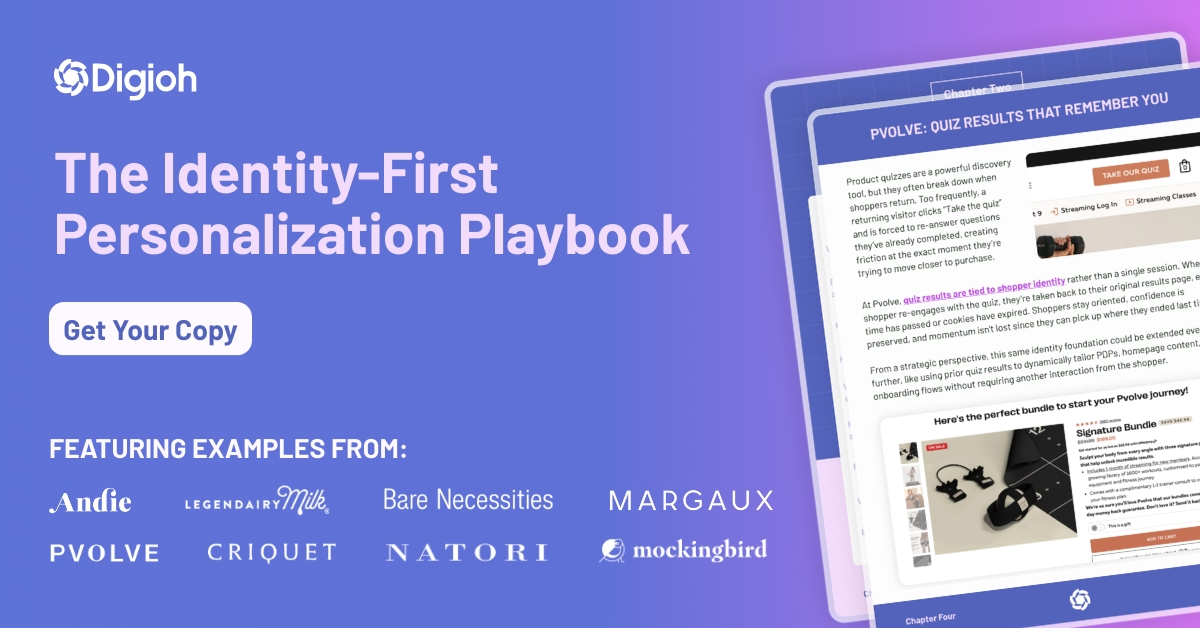
If you want to go deeper on all of this, we put together the Identity-First Personalization Playbook. It’s a practical look at why personalization plateaus, what the shift to identity-first actually changes, and how brands like the ones above are making it work in practice.
If you're thinking about where your personalization strategy is headed, it's a good place to start.
Don’t settle for siloed tools. With Digioh, you get one powerful platform for pop-ups, product quizzes, onsite identification, and more—everything you need to personalize every step of the customer journey. Identify more traffic. Collect more zero-party data. Turn insights into revenue.