December 17, 2025
We usually publish a monthly product update, but this month, we’re zooming out to look at the entire year.

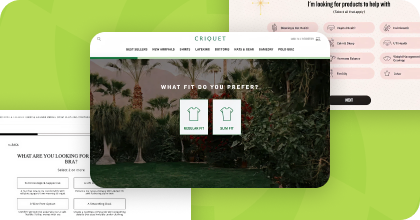
Steal High-Converting Ideas From Leading DTC Brands
Browse 50+ real examples of personalized marketing funnels you can replicate today.
If you’ve been using Digioh this year, you probably noticed a lot of steady progress, where you log in and think, oh, this makes more sense now, or this is easier than it used to be.
2025 was a year of building on what already worked and strengthening the parts of Digioh you rely on most. Here’s a quick look back at some of the biggest and most impactful updates we launched in 2025.
If you’re responsible for onsite experiences, you’ve probably been in this situation:
Things seem to be working. Engagement looks good. But when someone asks, “How is this contributing to revenue?” the answer takes too long to put together. That’s where we spent a lot of time this year.
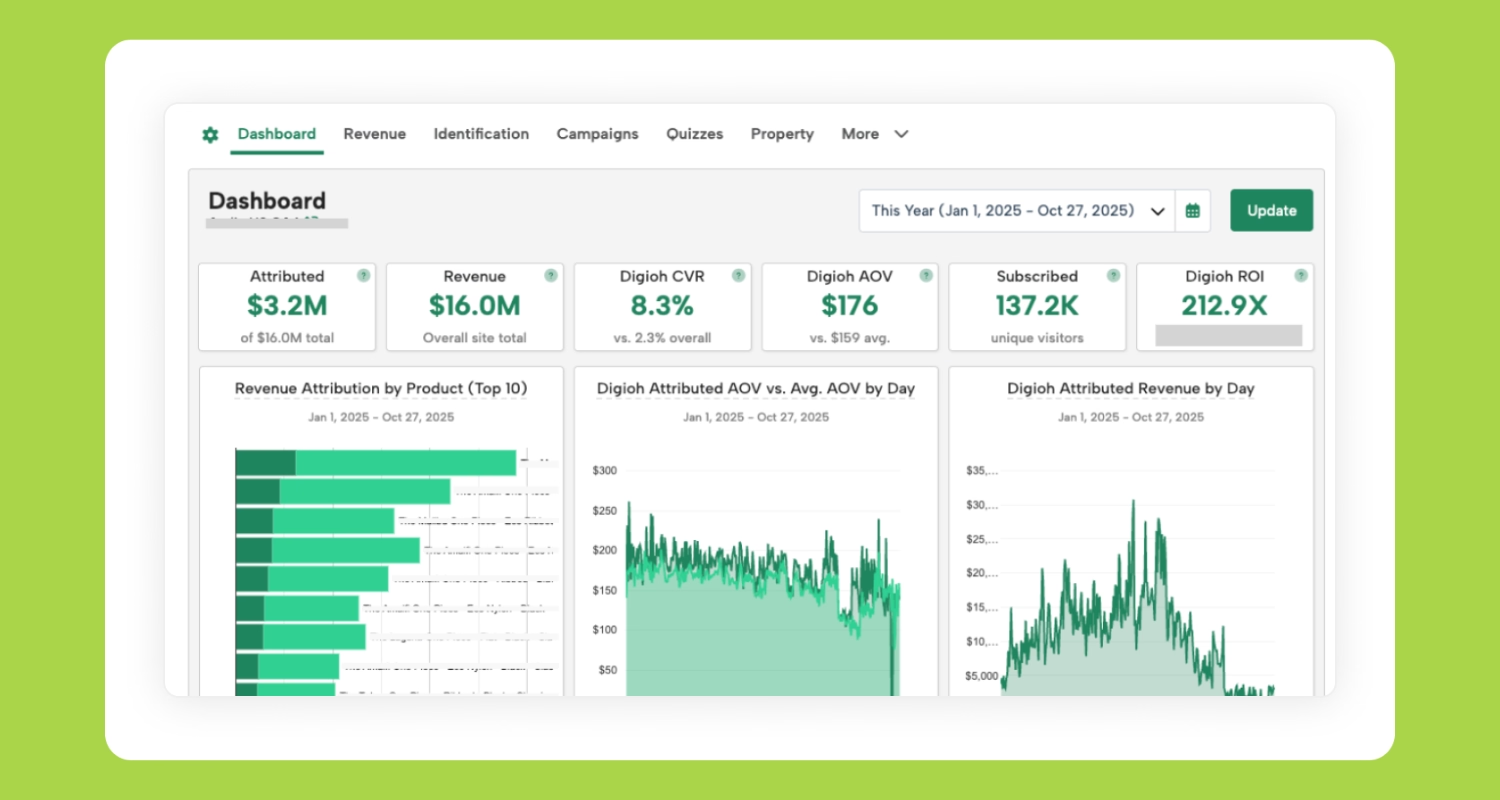
Dashboards are easier to read and navigate, with clearer chart labels and legends. Revenue reporting is simpler to set up, especially if you’re using GA4 or Klaviyo. You can also create your own custom dashboard based on Digioh and GA4 data.
With reports like Top Attributed Product, you can see which products were purchased by shoppers who completed a quiz, along with attributed revenue. That turns a fuzzy conversation into a concrete one, so instead of explaining why you think a quiz matters, you can point to what it’s actually driving.
That changes how onsite experiences get talked about internally. They stop being “nice to have” and start being something you can defend as part of the revenue mix.
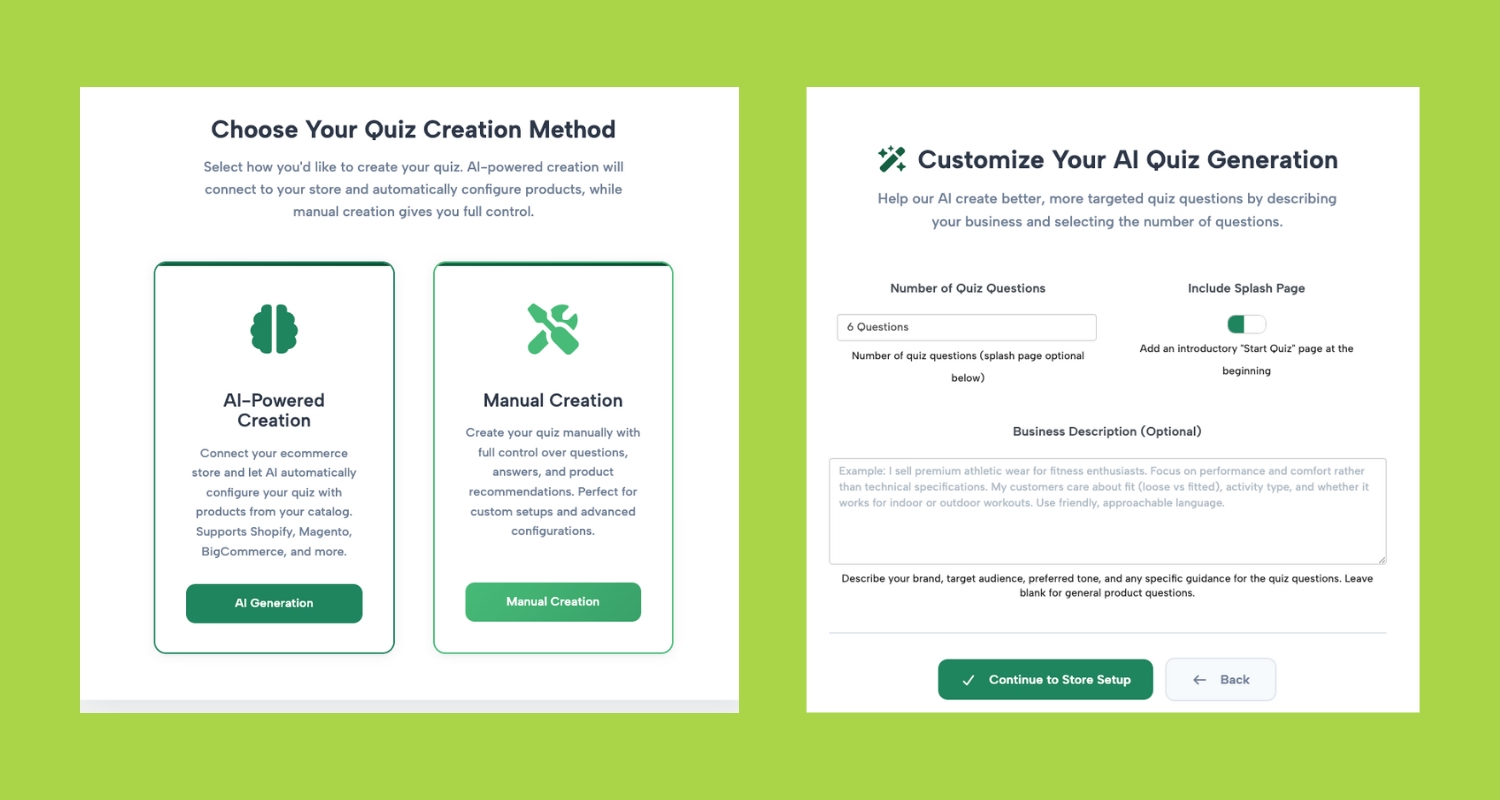
Creating a quiz from the ground up can be tough (and time consuming). What questions should you ask? How many questions should you ask? How should you recommend products at the end? The list goes on and on.
So one of the biggest quiz updates we focused on this year was the AI-assisted builder, which helps you get to a strong first draft much faster. You can use it to generate questions, outcomes, and product recommendations using your product feed. This is especially helpful when you’re launching a new quiz or refreshing one for a seasonal push.
You’re still fully in control and everything is editable, so your quiz can evolve as inventory, collections, or priorities change.
At its core, Digioh is about understanding who’s on your site and responding in real time.
So we’ve been focused on making identity easier to activate beyond Digioh itself. Shopify setup became simpler, and ID Grid support expanded to more platforms, including Braze and Dotdigital.
For Shopify x Klaviyo brands, Digioh Identity Events can now flow directly into Klaviyo, which means quiz responses, product views, and cart behavior can immediately inform email and SMS.
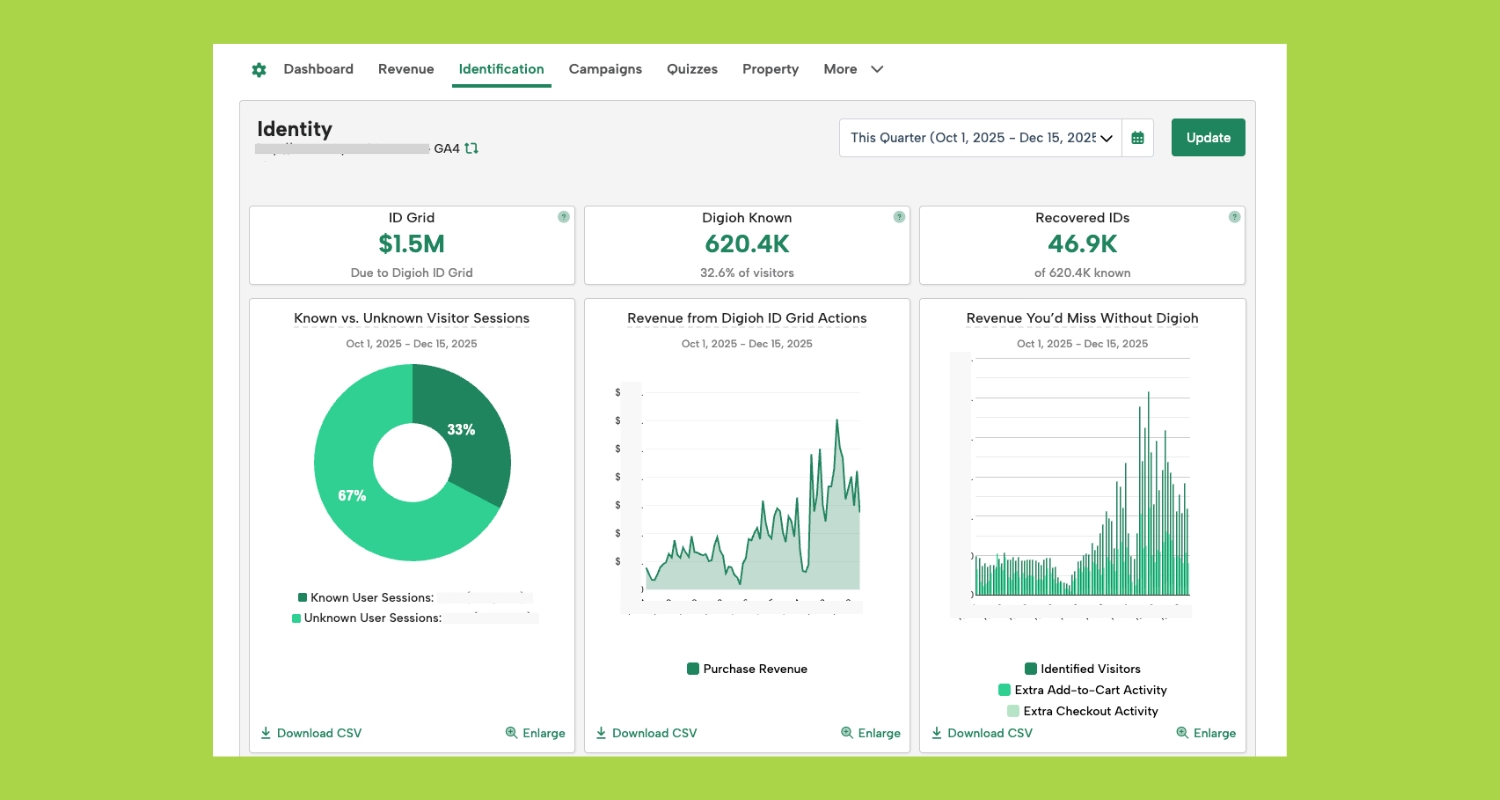
We also made it easier to see how identity carries through to revenue. Reporting gives clearer visibility into how users are recognized over time and how that recognition influences revenue.
Identity isn’t treated as a background capability, but instead something you can activate across your stack to personalize experiences, trigger messaging, and measure results, even as cookie-based signals are cleared.
Once a quiz is live, the real work starts on the results page.
That’s where recommendations turn into clicks, and clicks turn into revenue. But for a long time, results pages didn’t leave much room to experiment. You’d pick a layout, publish it, and hope it did its job.
This year, we focused on giving you more control where it matters most.
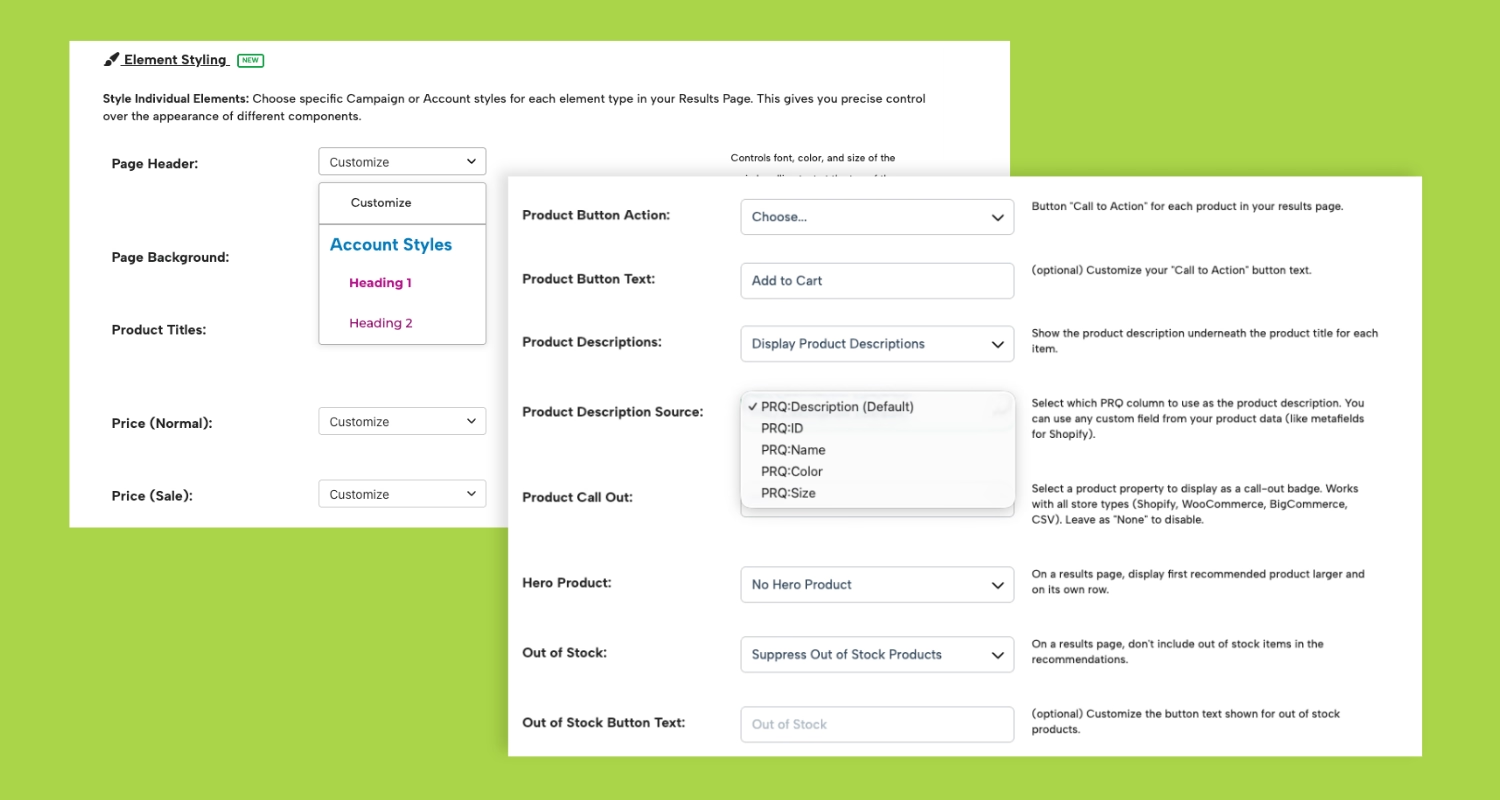
You can now adjust button text, add product tags, and update design styles without touching CSS. We also added Save & Preview, so you can see exactly how changes will look before they go live.
Beyond design, results pages are now more flexible in how they drive conversions.
You can highlight upsell products even if they aren’t part of the quiz outcome, give shoppers a choice between actions like “Add to Cart” or “View Product,” and customize out-of-stock messaging so it stays on-brand. If you want tighter control, smart recommendation rules let you feature a set number of hero products or avoid showing duplicates.
Once you’re running more than one campaign, editing stops being an occasional task and starts being something you do all the time.
This year, we made a series of updates to make that experience feel more straightforward. It’s easier to tell what you’re editing, where settings live, and how changes will behave before you publish. Visual tools like snap-to-grid and element highlighting help with alignment, and real-time previews cut down on guesswork.
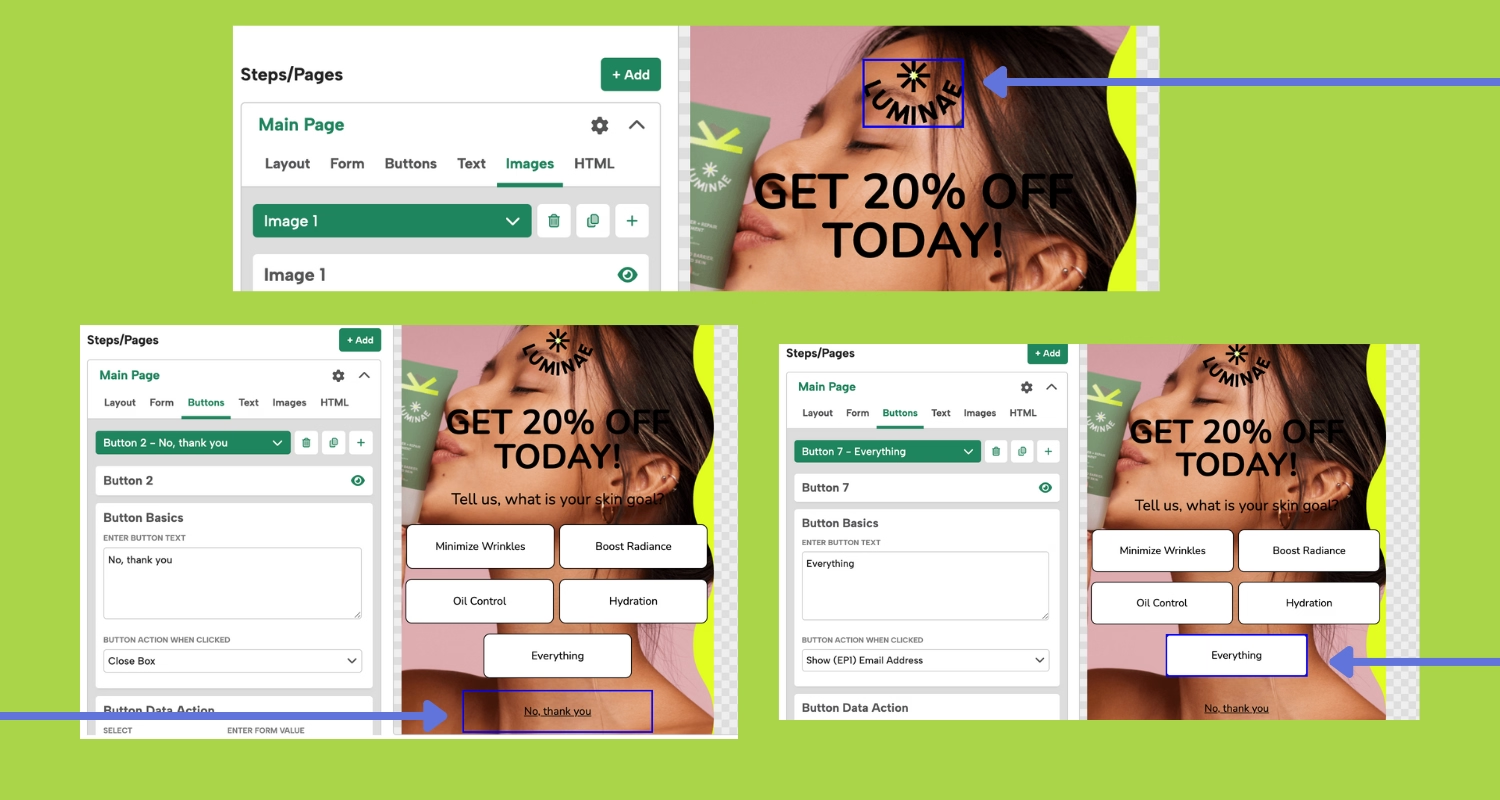
We also spent time improving performance behind the scenes, so larger builds load smoothly and publishing behaves consistently across devices.
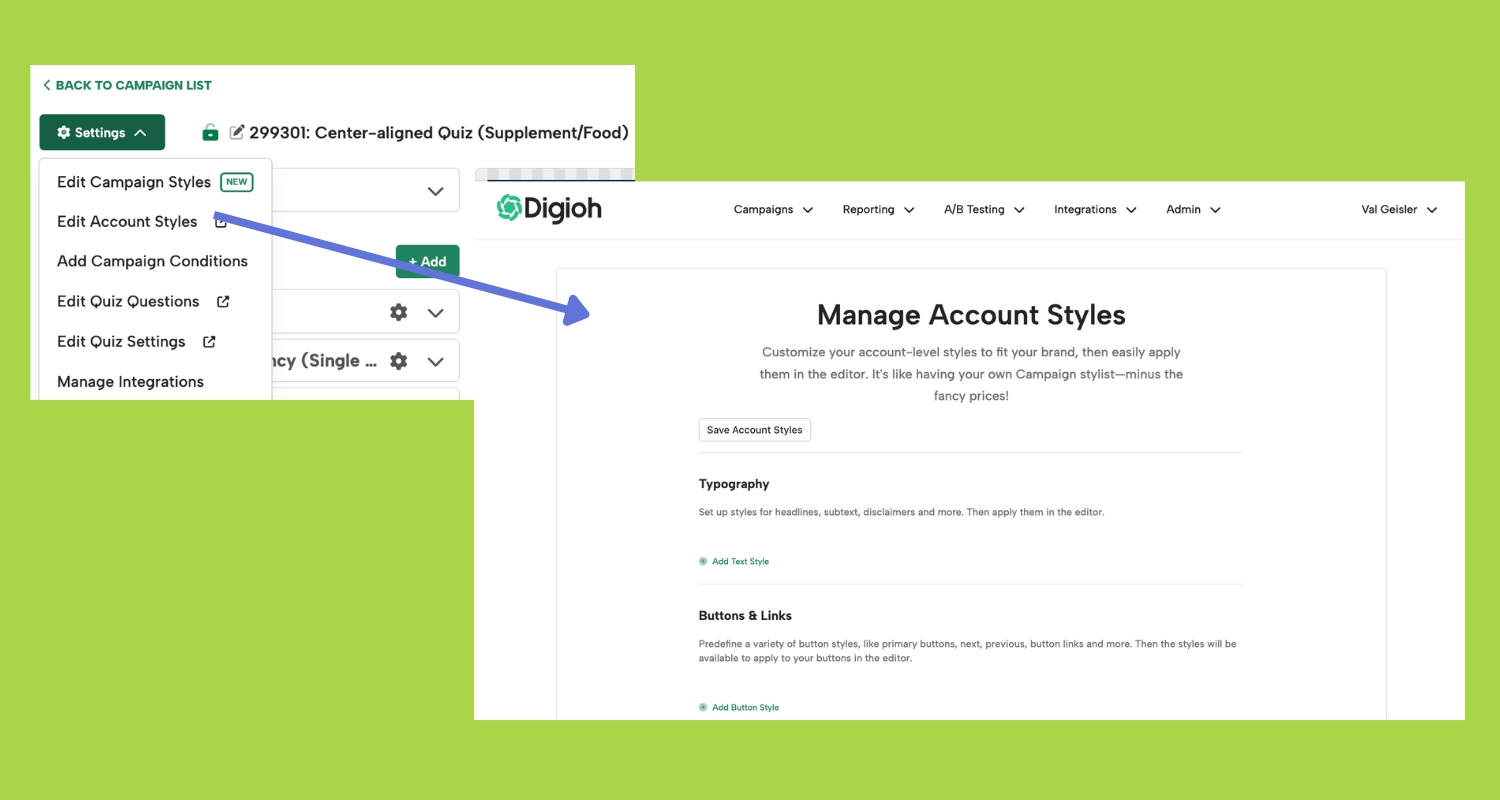
As you add more quizzes, pop-ups, and banners, you start to notice how much time goes into repeating the same setup work.
Fonts, colors, and layout decisions. These small choices add up when you’re doing them over and over.
To help with that, we introduced account-level and campaign-level design settings. You can define styles once and reuse them across experiences, with changes applying more reliably across screen sizes.
Journeys and Themes followed the same idea. They reflect common ways Digioh is used, so you’re not starting from a blank canvas every time. You can begin with something that already makes sense and adjust it from there.
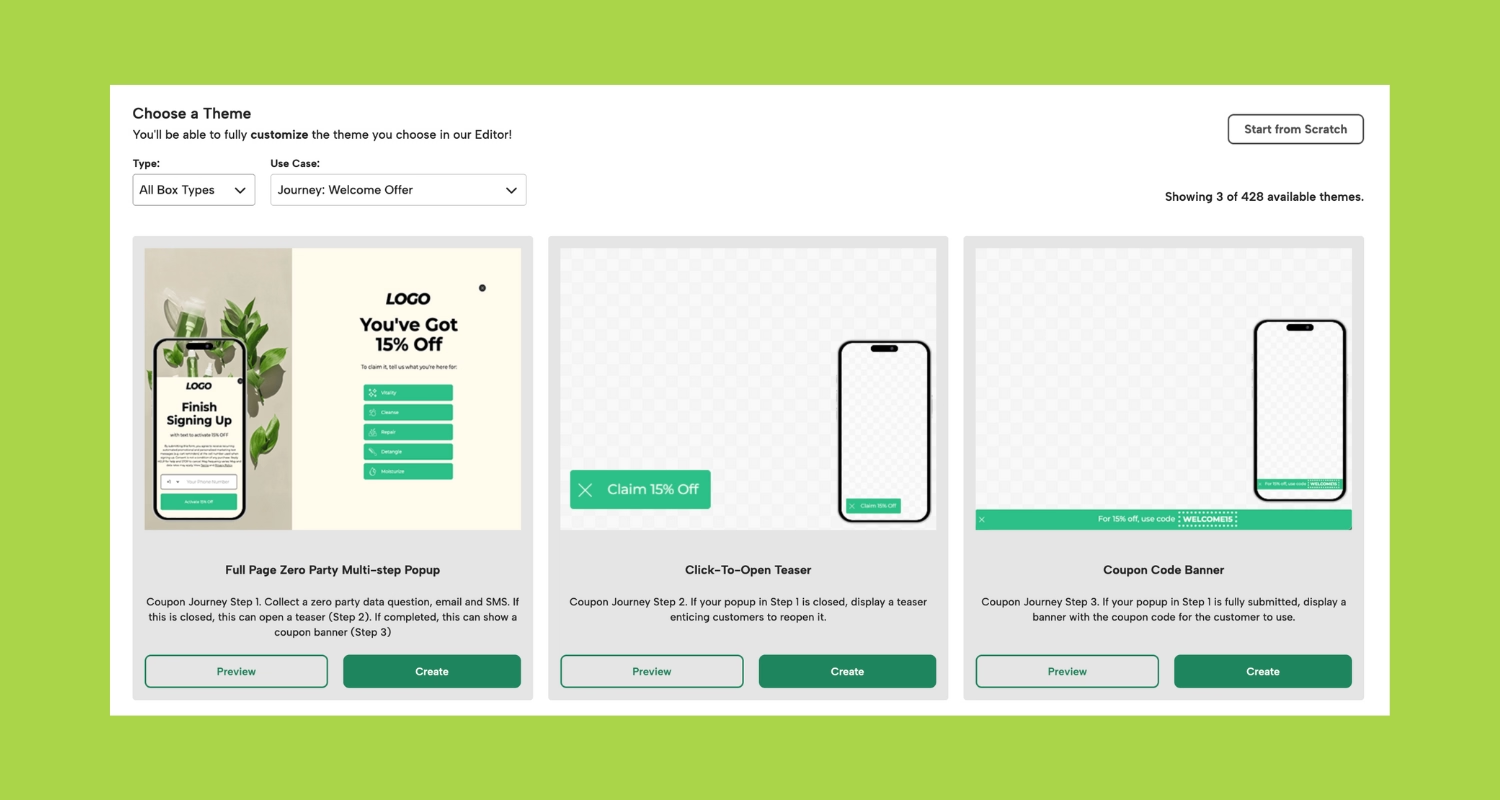
For brands managing several different onsite experiences, this makes it easier to move quickly without adding to your already busy workload.
This year, we launched Spin to Win and continued expanding how gamified campaigns work in Digioh. You can now add background images and sound effects, adjust spin speed, and duplicate or delete slices without rebuilding everything from scratch.
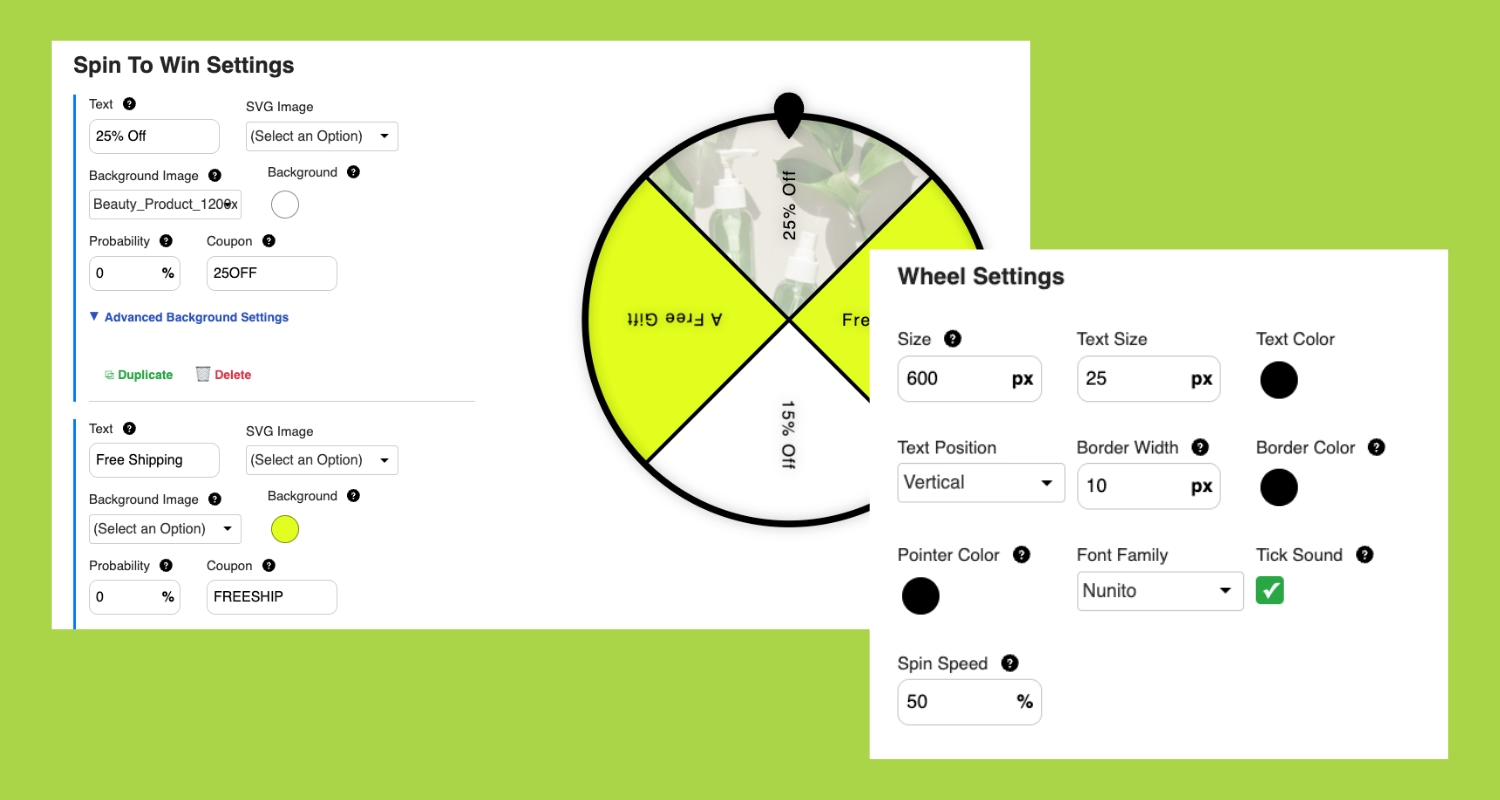
We also made outcomes easier to control. You can set probabilities, link slices directly to coupon codes, and add a “Next Page” action so you decide exactly where shoppers go after they spin.
Alongside Spin to Win, we introduced animated teasers to help draw attention to onsite campaigns without being disruptive.
Not every site visitor behaves the same way, and treating them all the same usually leaves conversion on the table.
Throughout the year, we added more targeting and display rules so campaigns can respond to what shoppers are doing. For Shopify brands, you can now target campaigns based on what’s already in a customer’s cart, which opens up use cases like encouraging add-ons or helping shoppers complete a bundle.
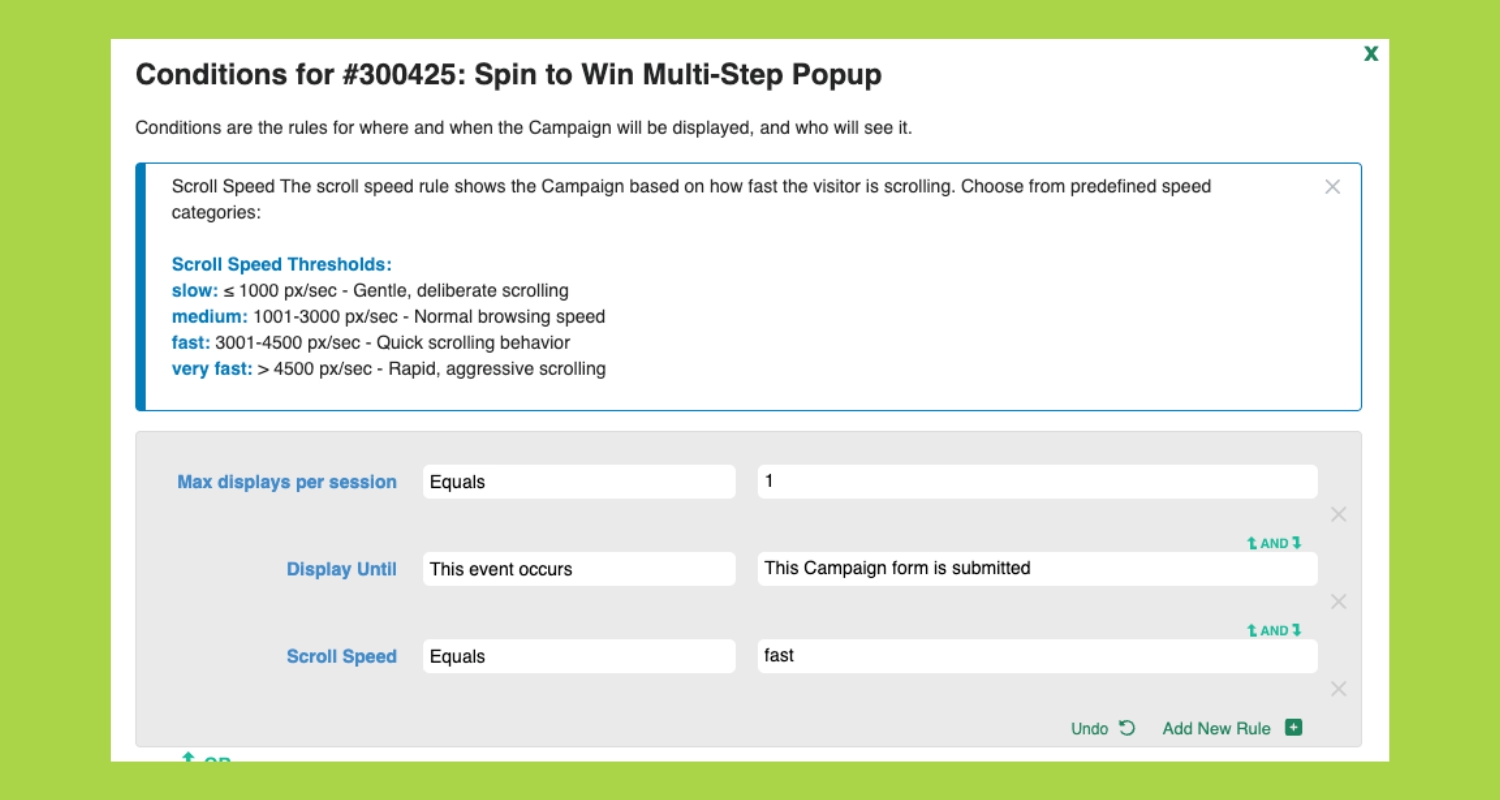
We also expanded behavioral targeting. Scroll Speed Targeting lets you treat fast scrollers differently from careful readers, and mobile exit intent based on scroll gives you another signal to work with when attention is about to drop.
Digioh doesn’t live in a vacuum, and neither do your campaigns. So this year, we launched and expanded integrations that make it easier for onsite data to show up where it can actually be used. The Digioh + Gorgias integration brings quiz responses and product recommendations into customer support conversations, giving CX teams more context when helping shoppers.
We also launched a native Tapcart integration, so Digioh experiences work smoothly inside mobile apps. Campaigns can now open product pages and add items directly to the Tapcart cart, without sending users to a webview or creating “ghost” carts.
On the Klaviyo side, the partnership continued to deepen. Digioh Events in Klaviyo help extend onsite behavior into revenue-driving email and SMS flows. Being named Klaviyo’s 2025 Technology Partner of the Year was a big milestone and a reflection of how closely these platforms work together.
JavaScript updates make campaigns load 300% faster, including on mobile. The editor handles larger builds more comfortably. Report exports are easier to share. We also cleaned up a long list of smaller UX issues.
In 2026, we’re continuing to invest in helping you build smarter, more connected onsite experiences. That means going deeper on identity-first personalization, tightening the loop between insight and action, and giving you more control over how you experiment, optimize, and grow.
We’re grateful for our customers who push us with feedback and ideas every day. You play a huge role in shaping where Digioh goes next.
We’re excited about where things are headed, and we think you will be, too.
Don’t settle for siloed tools. With Digioh, you get one powerful platform for pop-ups, product quizzes, onsite identification, and more—everything you need to personalize every step of the customer journey. Identify more traffic. Collect more zero-party data. Turn insights into revenue.