January 28, 2026
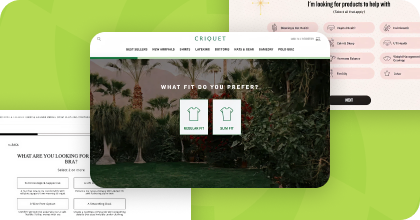
Build Your Own Product Quiz For Free Right Now
Simply give us your website URL and we will build you a completely on-brand product recommendation quiz for free.
Here’s a quick look at what we shipped in January. These are mostly small-to-medium changes, but are worth knowing about, especially if you spend time building campaigns, quizzes, or results pages in Digioh.
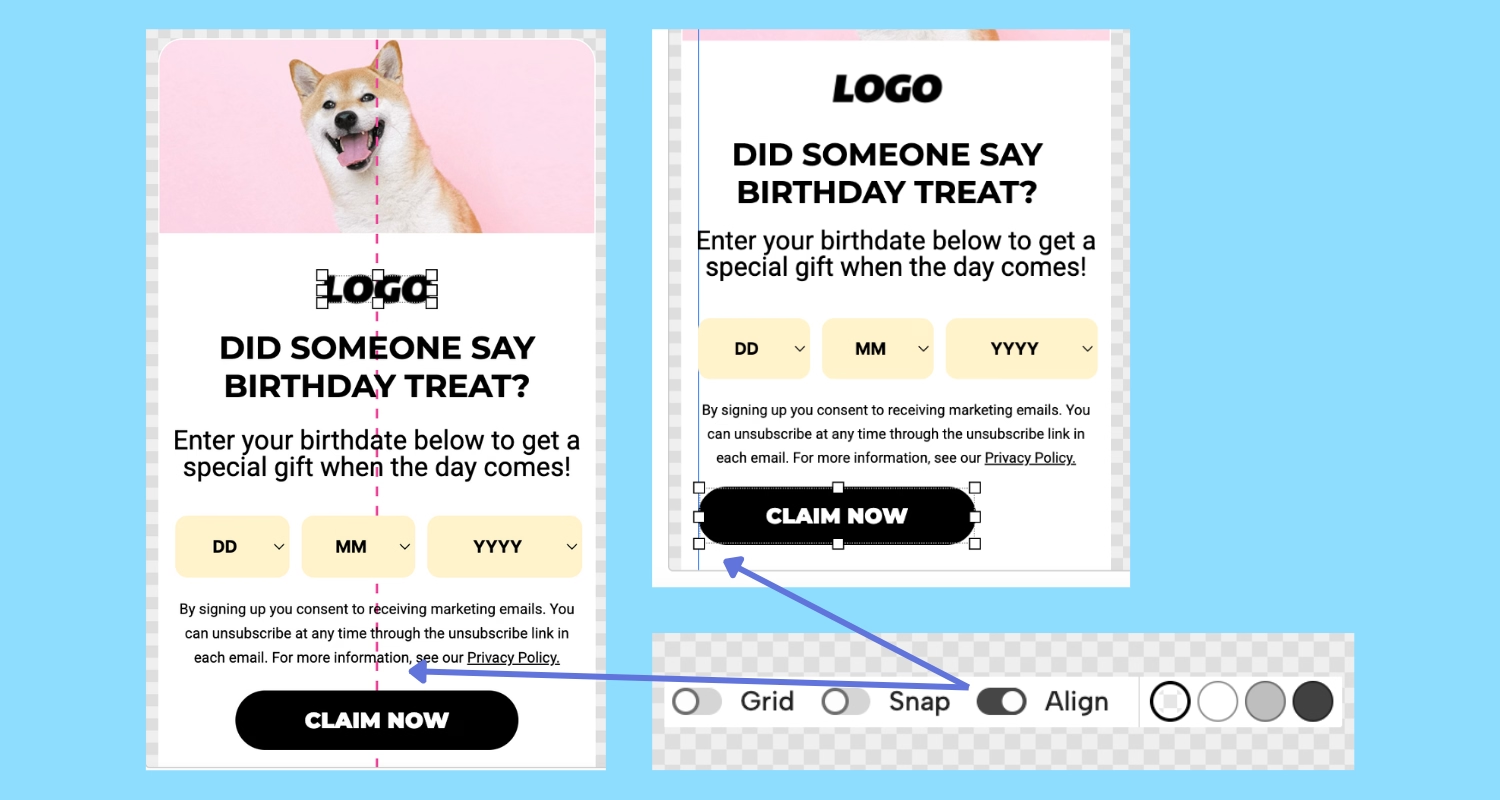
You’ll now see alignment guides and snapping as you drag and resize elements in the editor. So if you’ve ever found yourself nudging something back and forth trying to get it almost straight, this solves that.
The guides make it easier to place things where you want them, without second-guessing spacing or eyeballing alignment. Choose whether elements line up with each other or with the canvas as you move them around.
If you’re regularly building pop-ups, quizzes, or other campaigns in Digioh, this update is a big one!
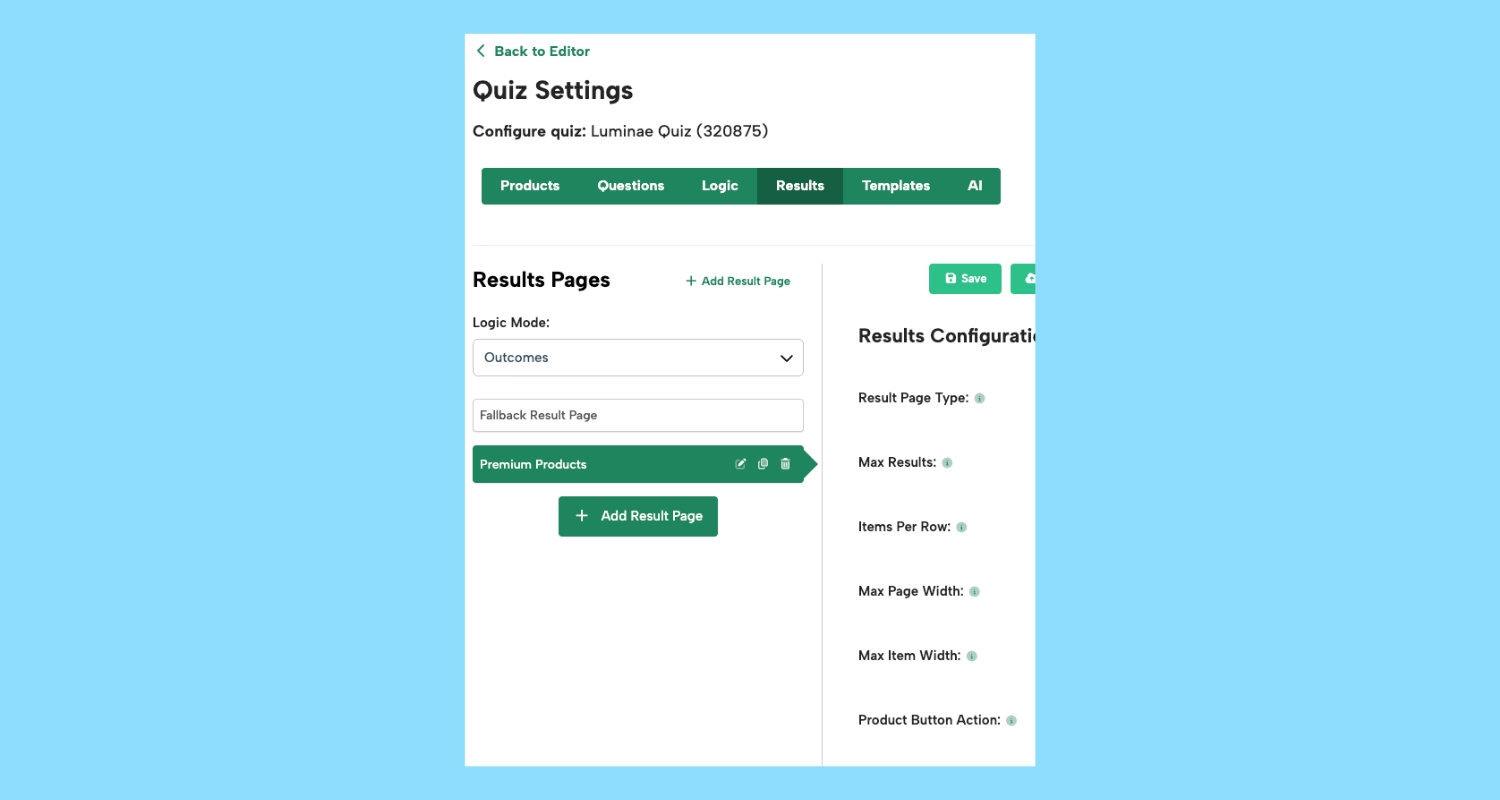
You can now create multiple quiz results pages* and assign them to specific outcomes.
Each results page can have its own layout, styling, product recommendations, and upsell logic so different outcomes can point to slightly different experiences when that makes sense.
This is useful when outcomes represent different shopper paths, like different experience levels, goals, or product categories. Instead of forcing everything into one shared layout, you can tailor the final step to better match the outcome.
*This feature is currently in beta with limited availability. If you’re interested in trying it out, reach out to the Digioh team.
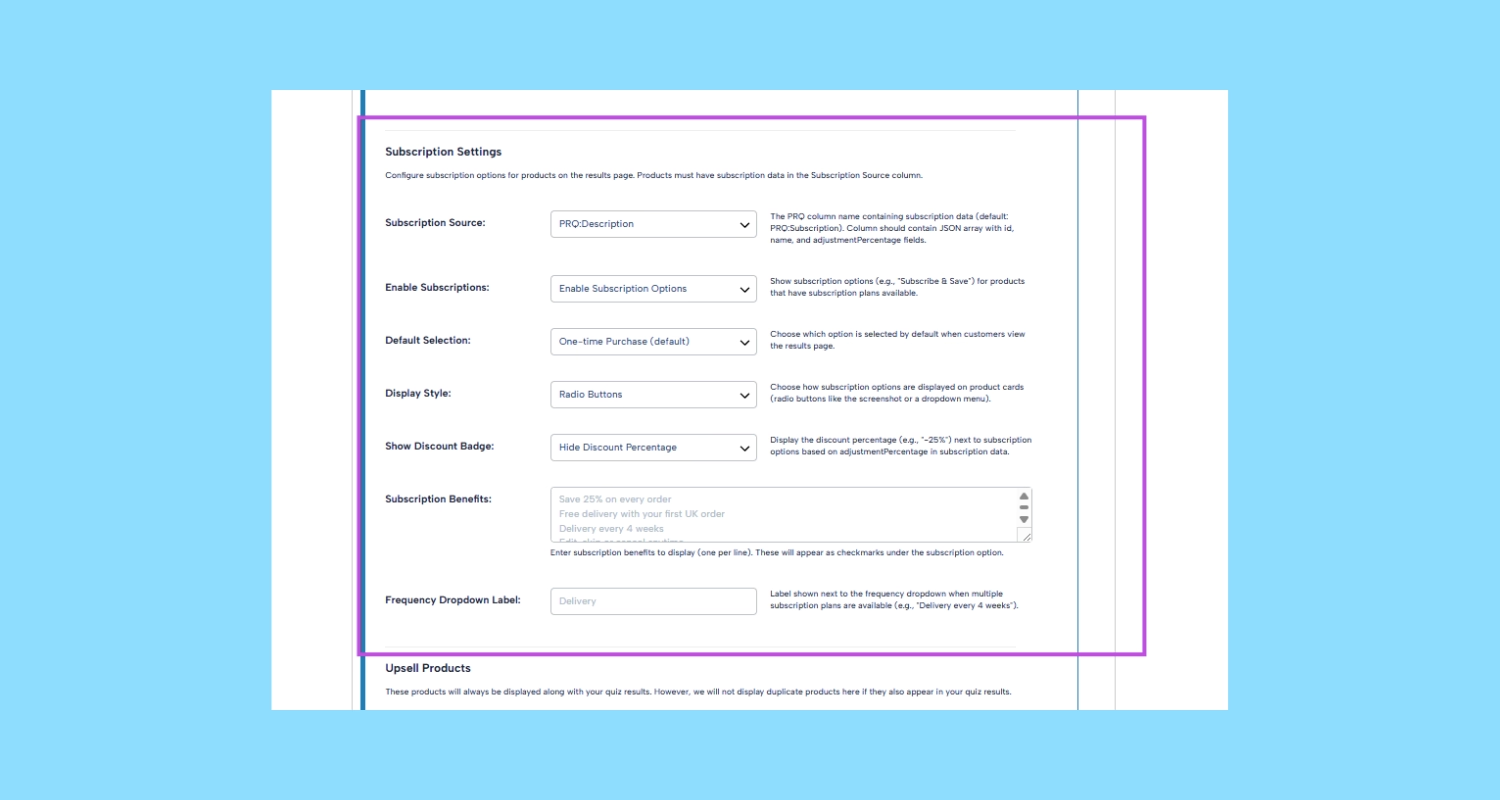
For Shopify stores, subscription options can now appear directly on Digioh quiz results pages for both recommended products and upsells.
This gives shoppers the ability to choose one-time purchase or subscription pricing right where recommendations are presented, without needing to navigate elsewhere first.
You can control how subscriptions are displayed, which option is selected by default, and how discounts or benefits are shown.
For brands using quizzes to guide shoppers toward products that are frequently repurchased, this creates a more continuous experience from recommendation to checkout.
You can now pull existing Yotpo product reviews directly into Digioh campaigns, including pop-ups, banners, inlines, and sidebars.
This makes it easier to use social proof in the moments where shoppers are already making decisions, instead of keeping reviews confined to product pages.
A few common ways brands are using this:
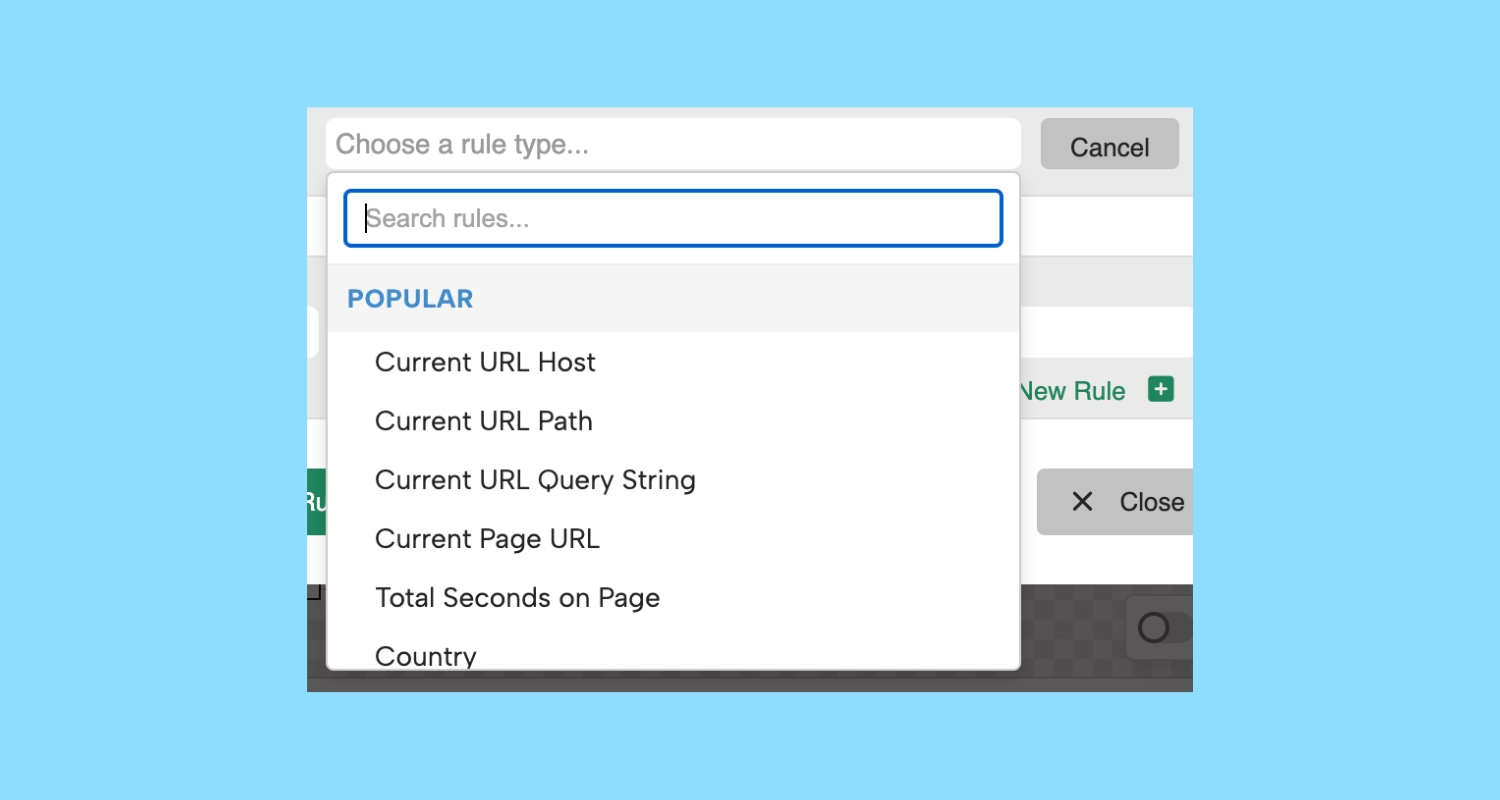
Condition dropdowns in campaign display rules are now searchable.
This makes it quicker to find what you’re looking for when building or editing campaigns, especially if you’re working with more complex targeting or managing a lot of experiences.
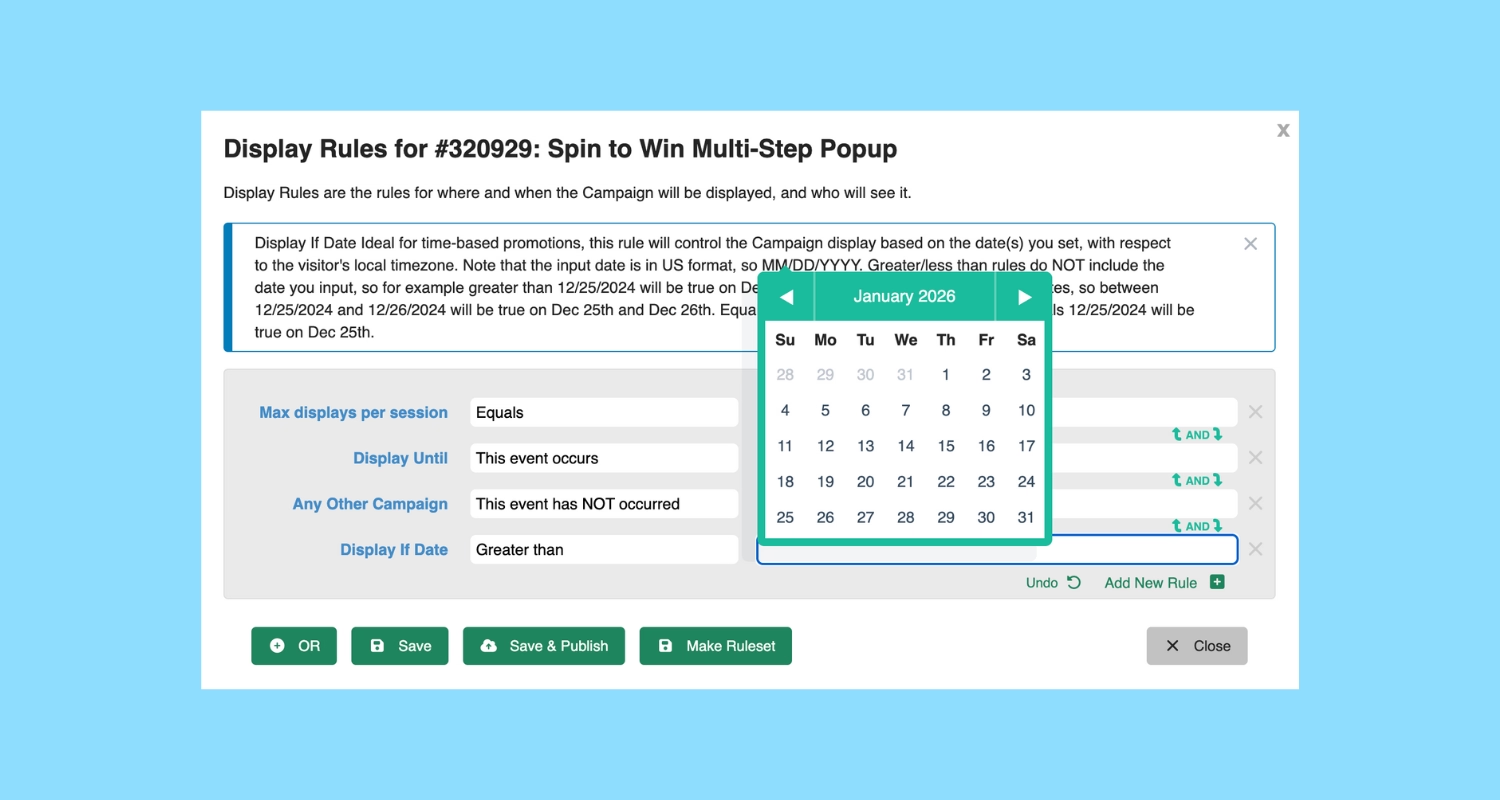
Date-based targeting now supports minute-level precision. This is helpful when campaign timing really matters, like if you’re coordinating with a specific send, launch window, or end time.
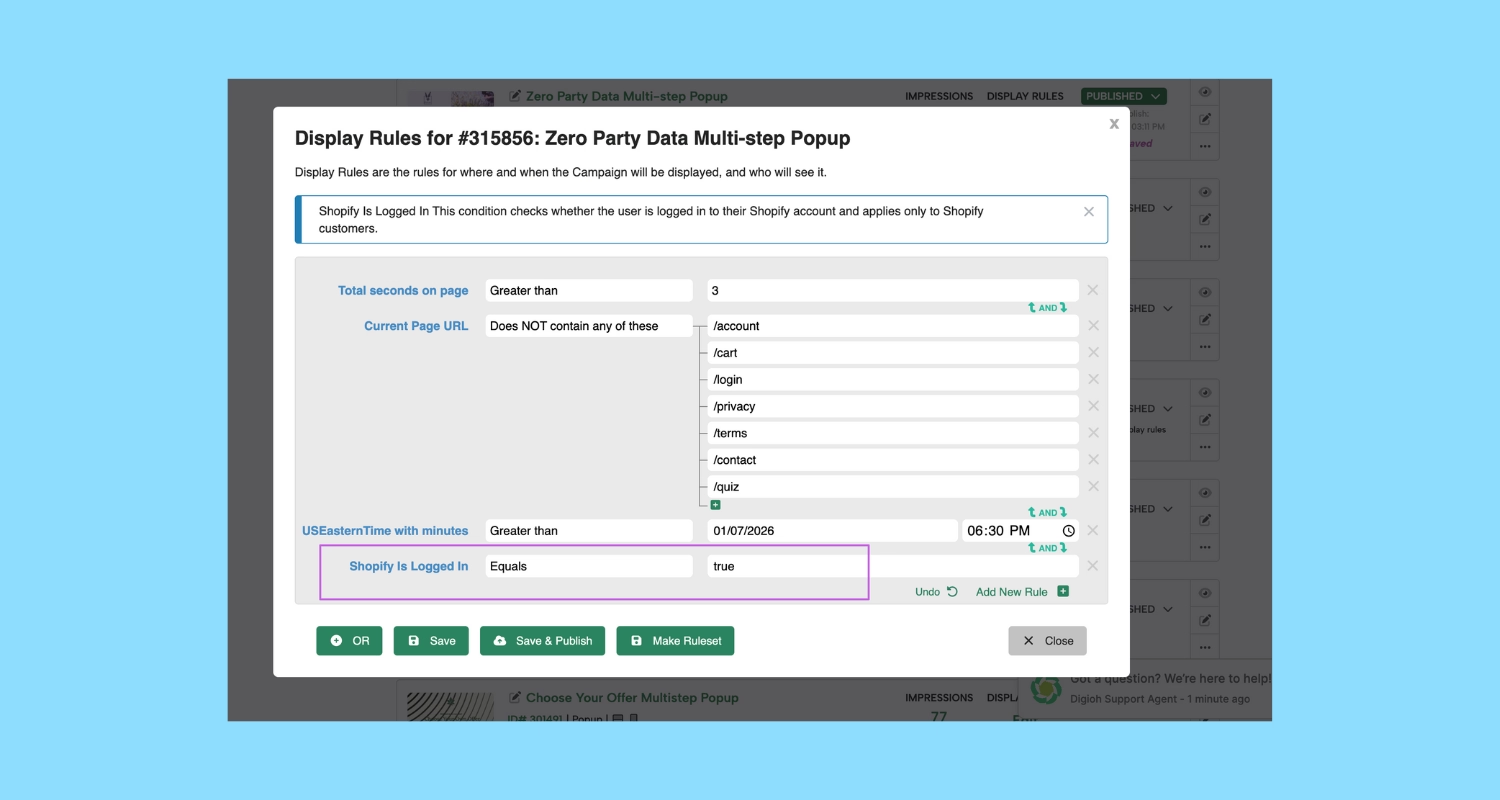
We’ve added a new Shopify display rule that lets you target shoppers based on whether they’re logged into their Shopify account or browsing as a guest.
This rule is available when the Shopify Cart Targeting and Personalization extension is installed on your account. Once it’s enabled, you’ll see “Shopify Is Logged In” as an option when setting up display rules.
And that’s a wrap! As always, if you have questions or want help enabling any of this, reach out to the Digioh team.
Don’t settle for siloed tools. With Digioh, you get one powerful platform for pop-ups, product quizzes, onsite identification, and more—everything you need to personalize every step of the customer journey. Identify more traffic. Collect more zero-party data. Turn insights into revenue.