September 15, 2026
Learn how the Digioh Passport suite identifies anonymous website visitors, then helps you act on that data immediately.
Steal High-Converting Ideas From Leading DTC Brands
Browse 50+ real examples of personalized marketing funnels you can replicate today.
A shopper opens your email, clicks through, and buys something. Two weeks later, they're back, but as far as your site is concerned, they're a stranger.
Most often this happens because a cookie expired, they switched devices, or they came directly to your site (instead of clicking through a link from an email or text message you sent them).
Take an opted-in email subscriber for example. They browse a new arrival, add to their cart, and leave. Usually they shop on their phone, but this time they’re on desktop. Most of the time, there’s no way to reconnect that visit back to their profile in your ESP, so that abandoned cart flow you built for this exact situation doesn't send.
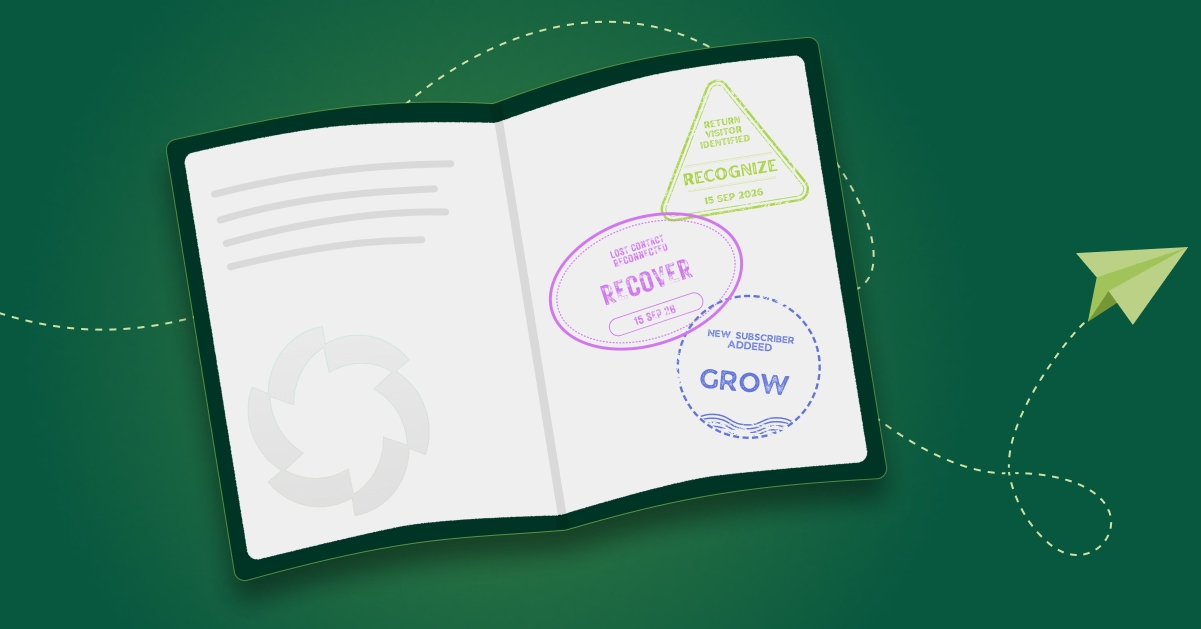
Today, we're introducing Digioh Passport, our identification suite built to fix this. It's made up of three products: Recognize, Recover, and Grow.
Passport Recognize is the foundation of Digioh identification, and if you're a customer, you likely already use it. It identifies returning visitors using your brand’s zero- and first-party data, like a tracked link from an email or text, a form or quiz submission, a past visit where Digioh identified them, or a logged-in session.
Most native ESP tracking relies on a cookie that resets after about a week, so a shopper who clicked an email a month ago can slip back into looking anonymous. Recognize extends that identity well past the point that a cookie would've expired.
Passport Recover is new and picks up where Recognize's own data runs out. Even a fully opted-in subscriber can go anonymous, for reasons that have nothing to do with whether they still care about your brand (e.g., a cleared cookie, new device, visit with no tracked link attached).
Recover reaches further than Recognize can on its own, using Digioh's Identity Network to re-identify those visitors.
For an active subscriber, you can send them back into the flows you’re running. For someone who's unsubscribed or suppressed, email is off the table completely (and should stay that way). But Recover can still identify them the moment they're back on your site and show them something relevant, without emailing them or changing their subscription status.
Recover doesn't add new contacts to your list, and it never resubscribes anyone.
Passport Grow is the newest piece, currently in beta. Where Recognize and Recover work with shoppers a brand already has some relationship with, Grow identifies new shoppers who've never had a relationship with the brand at all. More details to come soon.
Once Passport identifies a shopper, it acts on that right away. Here’s how a few brands are already using Passport, paired with Digioh campaigns, to personalize what shoppers see.
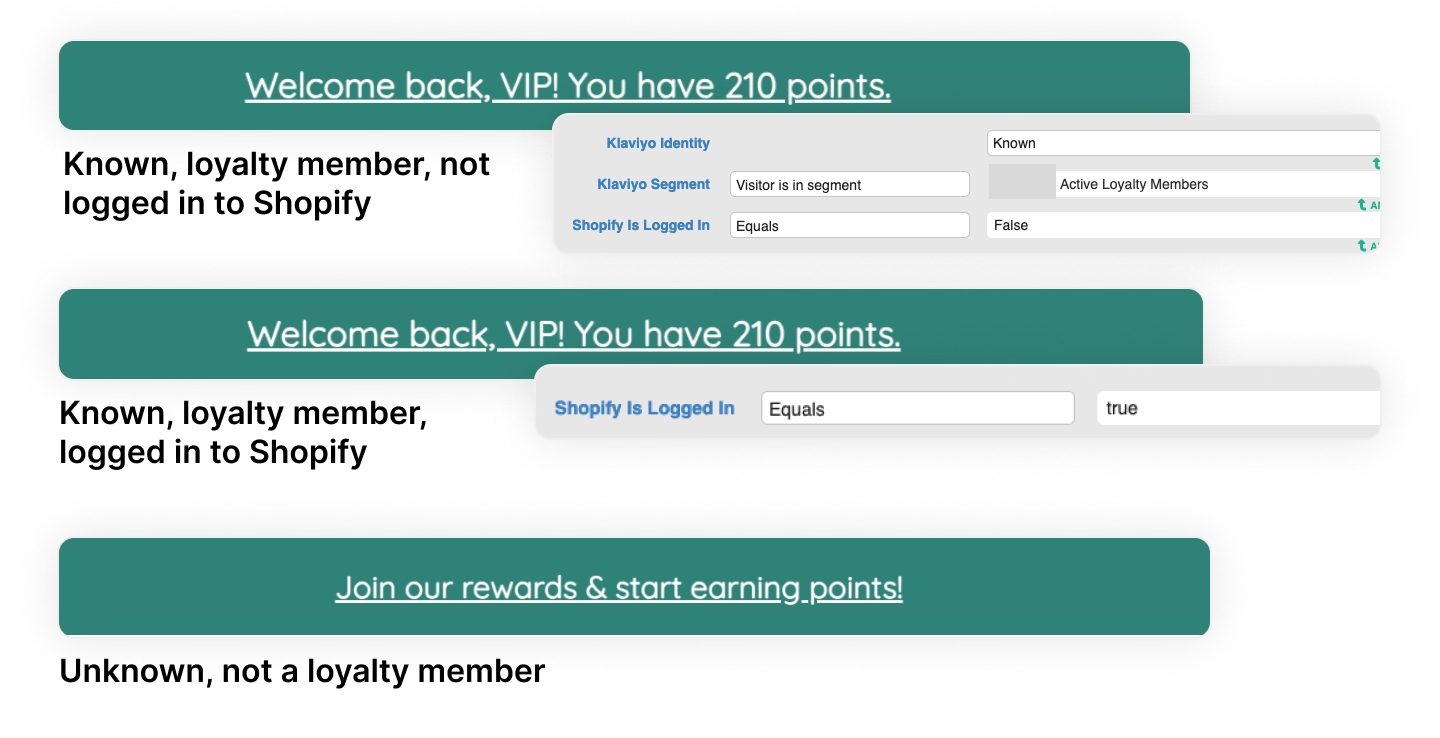
Great Garden Plants shows loyalty members their first name and Smile Points balance right in an onsite banner, whether they're logged in or not, while shoppers outside the loyalty program see an invitation to join instead.
Their onsite quiz branches the same way: known shoppers get the standard version, unknown shoppers see the same questions with 10% off attached, and every answer syncs to Klaviyo and Attentive so the brand can follow up by email and text with what shoppers told them.
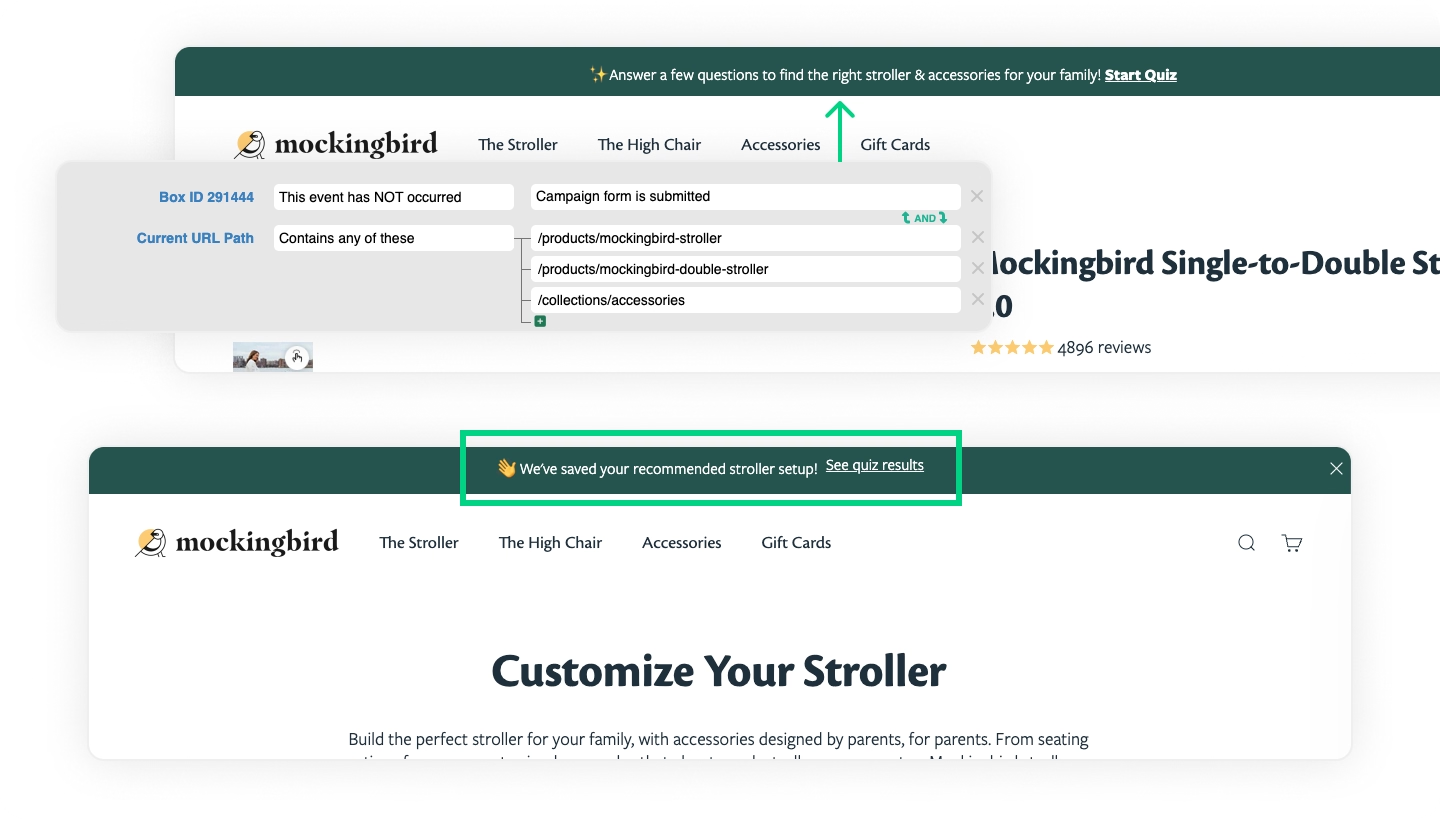
Mockingbird uses identity to make quiz results persistent. A banner follows shoppers around the site after they finish, letting them jump back to their personalized stroller setup anytime, even after the session ends, without retaking the quiz.
Natori greets new visitors with a personalized 10% offer through an identity-based welcome pop-up, then keeps that discount code visible in a banner that follows them across the site, and even brings it back on their next visit if it went unused.
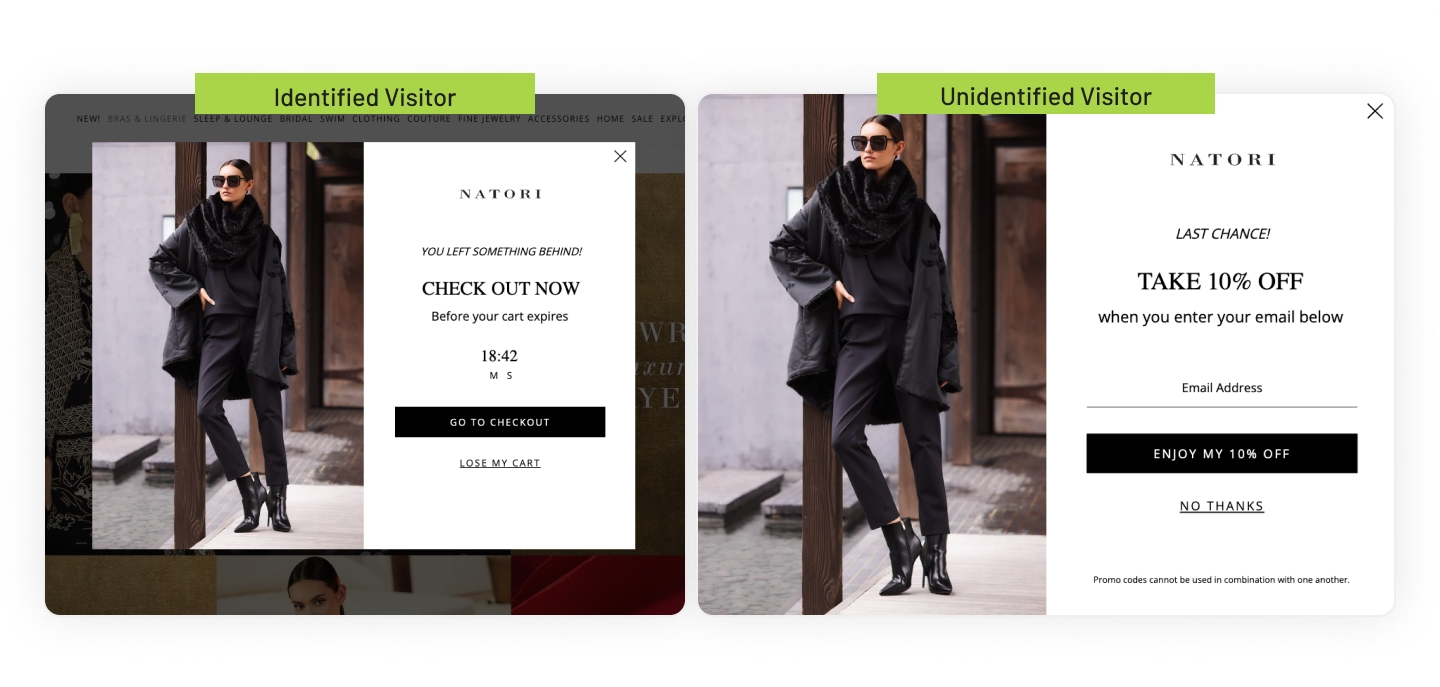
Their exit-intent pop-ups adapt the same way: known shoppers with something already in their cart see a countdown timer, while anonymous browsers see a different offer built to capture their identity for the first time.
Take two shoppers on the same site.
The first shopper is a past subscriber who has unsubscribed. Their opt-out stays exactly as they left it, as Recover never resubscribes anyone. But it can still identify them onsite and serve something relevant, like a winback banner or a personalized offer, without touching their email status.
The second shopper is a high-value customer who bought from you months ago but has gone quiet, and their cookie has expired. Recover re-identifies them the moment they return, so what they see, onsite or by email, can reflect what you know about their past purchases, instead of treating a loyal customer like a first-time visitor.
None of this is about knowing more about your shoppers for its own sake. It's about making sure the flows and experiences you've built reach the people they were made for, whether that's someone who clicked your email yesterday, or someone who unsubscribed eight months ago but never really left.
Learn more about Digioh Passport or talk to our team to see what we could recognize on your site, and what it’s worth.
Don’t settle for siloed tools. With Digioh, you get one powerful platform for pop-ups, product quizzes, onsite identification, and more—everything you need to personalize every step of the customer journey. Identify more traffic. Collect more zero-party data. Turn insights into revenue.