July 8, 2026
Learn how to tailor your onsite experience for new and returning visitors to boost engagement and conversion.
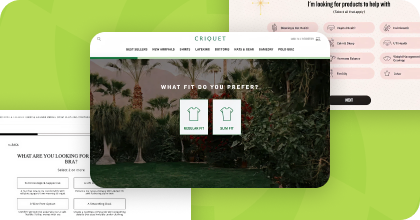
Build Your Own Product Quiz For Free Right Now
Simply give us your website URL and we will build you a completely on-brand product recommendation quiz for free.
Every visitor to your website arrives with a different level of familiarity, intent, and trust.
Some are discovering your brand for the first time. Others are returning to compare products, revisit items they've viewed, or complete a purchase. Your most loyal customers may simply want a faster path to reorder or access exclusive benefits.
Treating every visitor the same creates unnecessary friction throughout the customer journey. New visitors need education and reassurance before making a purchase. Returning visitors expect a more personalized experience based on their previous interactions. Loyal customers expect your brand to recognize them and reward their continued business.
Effective onsite personalization adapts to those differences in real time. By combining first-party data, visitor behavior, purchase history, and customer data from across your marketing channels, ecommerce brands can deliver personalized interactions that reflect where each visitor is in their journey. The result is a better customer experience, stronger user engagement, higher conversion rates, and greater customer lifetime value.
In this guide, we'll explore how to personalize your onsite experience for new vs. returning visitors, what data you need to make personalization work, and the tactics ecommerce brands use to create personalized customer journeys that keep customers coming back.
Customer expectations have changed. Today's consumers expect companies to recognize their interests, remember previous interactions, and deliver personalized experiences across every touchpoint. Whether they're visiting your ecommerce site for the first time or returning to make another purchase, they expect your website to reflect where they are in the customer journey.
Yet many ecommerce brands still deliver the same homepage, product recommendations, and promotional messages to every visitor. That one-size-fits-all approach ignores valuable visitor data and misses opportunities to create more relevant interactions.
Research consistently shows the impact of personalization:
The opportunity when you recognize returning visitors becomes even clearer when you compare visitor types.
New visitors are still evaluating your brand and often need educational content, trust signals, and guidance before they're ready to purchase. Returning visitors already have some familiarity with your products, making them more responsive to personalized recommendations, recently viewed items, and reminders based on previous browsing behavior. Loyal customers expect an even more tailored experience that recognizes their purchase history and rewards their continued engagement.
As customers interact with your website, they leave behind valuable behavioral data that can inform future personalization efforts. Every product viewed, search performed, quiz completed, and purchase made helps build a richer understanding of visitor behavior and customer preferences. Over time, those insights allow marketing teams to create individualized experiences that feel more relevant with every visit.
Effective website personalization grows with the customer relationship. As visitors move from their first visit to repeat purchases and long-term loyalty, the onsite experience should evolve alongside them.
Every personalization strategy starts with understanding who is visiting your website. While every business defines visitor segments a little differently, most ecommerce brands group site visitors into three categories: new visitors, returning visitors, and loyal customers.
As customers interact with your brand, they generate more context through their browsing behavior, purchases, and other interactions. That additional customer data allows your onsite experience to become more personalized over time.
Here's what each visitor type typically looks like:
The more customer data you collect, the more personalized your onsite experience can become.
A first-time visitor may only generate real-time behavioral data, such as pages viewed or products searched. Returning visitors provide richer signals through repeat visits, browsing history, and previous engagement. Loyal customers have purchase histories, customer lifetime value, and long-term preferences that enable even deeper personalization.
Website analytics platforms like Google Analytics can help identify new and returning users based on their browsing activity, while first-party data, customer data platforms, and CRM systems provide a more complete view across devices and marketing channels. Together, these systems create a stronger foundation for personalized customer journeys than website analytics alone.
It's also important to recognize the limitations of traditional visitor tracking. Tracking cookies expire, customers switch devices, and browser privacy restrictions make it harder to recognize returning users over time. That's why many ecommerce brands now rely on first-party data and unified customer profiles to better understand how customers interact across multiple sessions and touchpoints.
Personalization is only effective if it improves the customer experience and delivers measurable business results. Looking at website performance as a whole only tells part of the story. To understand whether your personalization strategy is working, compare key metrics across new visitors, returning visitors, and loyal customers.
Tracking performance by visitor type gives marketing teams valuable insights into where customers are engaging, where they're dropping off, and where additional personalization could improve results.
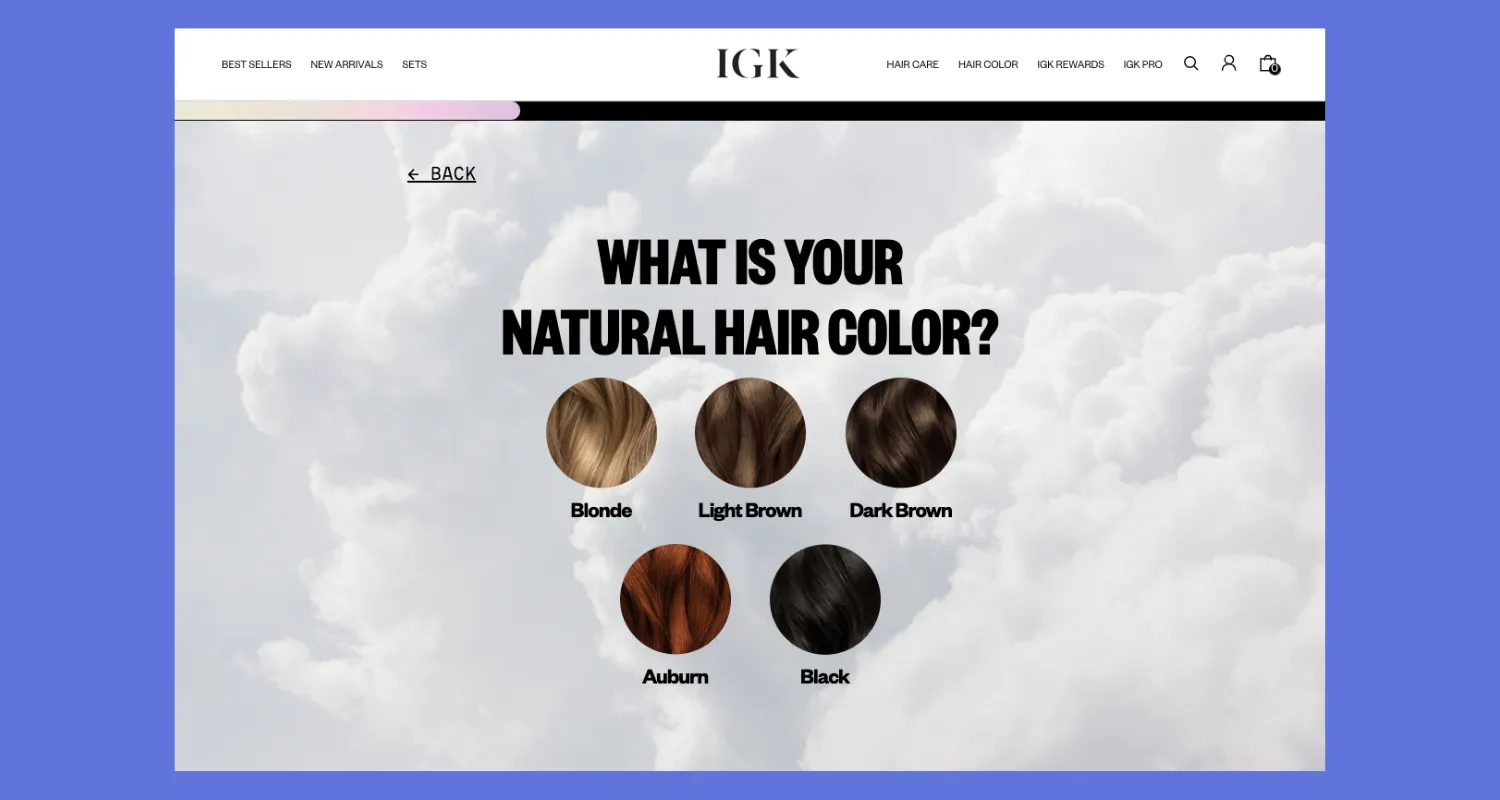
Conversion rates are among the clearest indicators of whether your on-site experience matches visitor expectations.
Returning visitors often convert at 3–5 times the rate of new visitors and typically spend more per order, making them one of the most valuable segments to measure. Those differences highlight why measuring performance by visitor type is so important. Looking only at overall conversion rates can hide opportunities to improve the experience for each audience segment.
Along with conversion rates, monitor metrics such as:
These metrics help measure the long-term impact of personalization rather than focusing only on first-time purchases.
Engagement metrics reveal how customers interact with your ecommerce site before they convert.
Bounce rate and average session duration are helpful starting points, but they should always be viewed alongside visitor behavior. For example, a longer session may indicate that a new visitor is researching products, while a shorter session from a loyal customer could simply mean they found exactly what they needed.
To gain a more complete picture, monitor additional engagement signals such as:
These behavioral signals provide much richer context than page views alone and can be used to trigger more personalized experiences throughout the customer journey.
Some of the most valuable personalization metrics measure what happens after a visitor leaves your site.
Track metrics like:
Together, these metrics indicate whether your on-site experience encourages customers to return over time. As personalization improves, you should see stronger engagement, higher customer loyalty, and more repeat purchases from existing customers.
Website analytics platforms like Google Analytics make it easy to compare these metrics across visitor segments. Reviewing them regularly helps marketing teams identify which personalization efforts are driving measurable improvements and where additional optimization is needed.
The best personalization strategies evolve as customers become more familiar with your brand. Every visit provides new information about a visitor's interests, purchase intent, and preferences, allowing you to deliver a more relevant onsite experience over time.
Rather than showing every visitor the same homepage, product recommendations, or promotional message, tailor the experience based on where they are in the customer journey. As your personalization strategy becomes more effective, you should also see more visitors return.
While every business has a different customer mix, many ecommerce brands aim for 30% to 50% of visitors to be returning. A healthy percentage of returning visitors often reflects stronger customer retention, higher engagement, and more opportunities to personalize future interactions.
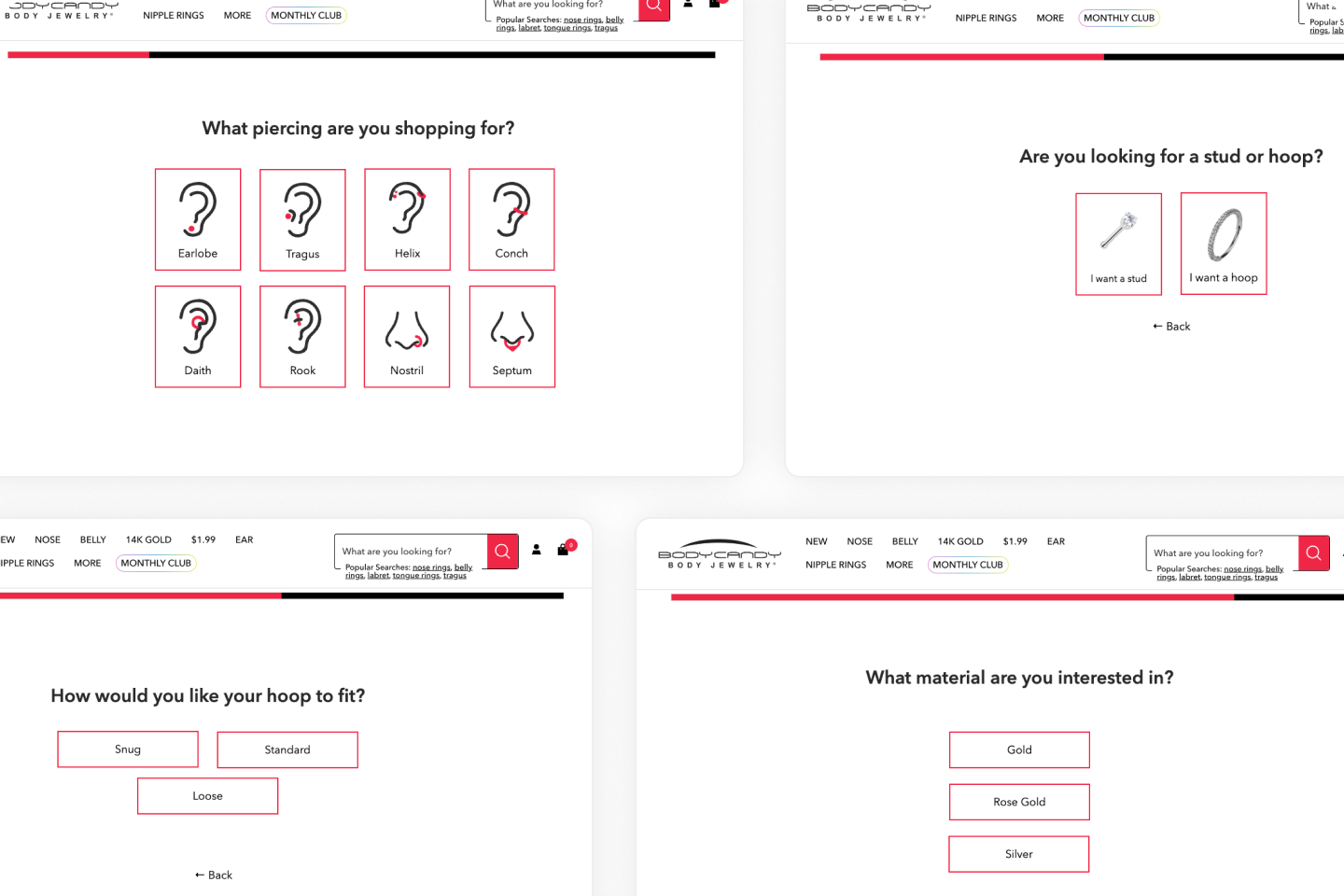
First impressions matter. New visitors are still deciding whether they trust your brand, so your onsite experience should focus on building confidence rather than driving an immediate sale.
Start with the essentials:
This is also the ideal time to begin collecting first-party and zero-party data. Preference quizzes, product finders, and sign-up forms help you learn more about visitor interests while giving shoppers something valuable in return, such as personalized recommendations or a first-purchase offer.
Every interaction during a visitor's first session helps lay the foundation for more personalized customer journeys in future visits.
Returning visitors typically spend 20% more per order than new visitors, making them one of the most valuable audiences to personalize. They've already shown interest in your products, so every returning visit is an opportunity to remove friction, surface relevant content, and move them closer to a purchase.
Behavioral data from previous visits can be used to personalize the onsite experience in meaningful ways, including:
Returning visitors also respond well to contextual messaging. Someone who has viewed the same product multiple times might see customer reviews, product comparisons, or a limited-time shipping offer instead of the same generic homepage they saw during their first visit.
Coordinating these on-site experiences with personalized email campaigns and SMS reminders creates a more consistent customer experience across all marketing channels.
Loyal customers have already demonstrated their trust through repeat visits and purchases. Their onsite experience should reward that relationship while making it easier to shop again.
Rather than promoting introductory offers, focus on experiences that recognize their history with your brand, such as:
As customer lifetime value increases, personalization should become more helpful rather than more promotional. Customers who've purchased several times shouldn't have to search for products they've bought before or navigate through offers designed for first-time shoppers.
When new visitors, returning visitors, and loyal customers each receive an experience tailored to their needs, personalization feels less like marketing and more like good customer service. That's ultimately what keeps customers engaged, encourages repeat visits, and builds long-term customer loyalty.
Once you've identified who is visiting your site, the next step is putting that customer data to work. Effective onsite personalization doesn't rely on a single tactic. It combines real-time data, historical behavior, and visitor preferences to create individualized experiences that feel relevant from the moment someone lands on your website.
Here are some of the most effective ways ecommerce brands personalize the onsite experience.
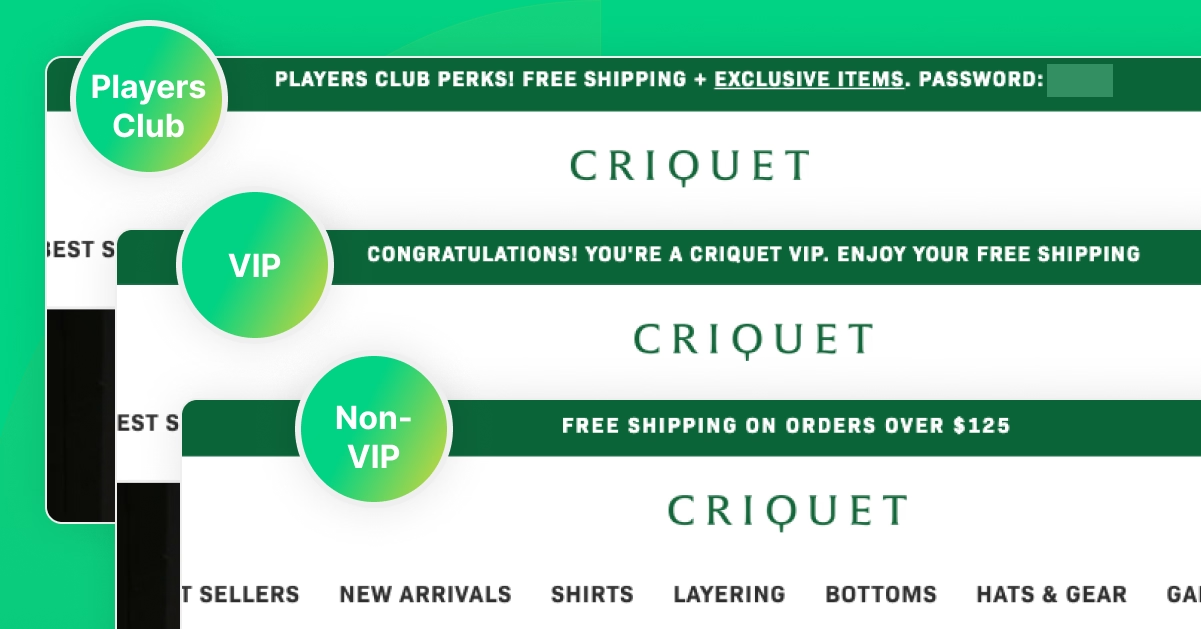
Dynamic content allows your website to adapt based on visitor type, browsing behavior, and previous interactions. Rather than showing every visitor the same homepage, product grid, or call to action, personalized content changes based on what each customer is most likely to find useful.
Examples include:
Personalized content can take many forms.

For example, Andie Swim uses a Digioh-powered fit quiz to recommend products based on each shopper's responses, rather than asking every visitor to browse the same catalog. That personalized shopping experience increased onsite conversion rates by 296% while boosting average order value by 21%.
Real-time personalization is most effective when it responds to customer behavior in real time. A visitor who returns after clicking a personalized email campaign shouldn't see the same homepage they saw during their first visit. Instead, the onsite experience should acknowledge that interaction and continue the customer journey with relevant content.
Search is one of the strongest signals of purchase intent. Every search query, filter selection, and category click provides valuable insights into a visitor's interests.
For new visitors, prioritize best-selling products, customer favorites, and highly rated items that build trust. Returning visitors benefit from search results and product recommendations that reflect their browsing history, previous purchases, and recently viewed products. Loyal customers can receive replenishment reminders, subscription product recommendations, or recommendations based on purchase history and customer lifetime value.
Using behavioral data to personalize search and product discovery helps visitors find relevant products faster while reducing unnecessary friction.
Personalization doesn't always require discounts. Often, the most effective experience is simply presenting the right message at the right time.
For example:
Small changes like these create personalized interactions without overwhelming visitors or relying on aggressive promotional offers. Combined with first-party data and real-time behavioral signals, they help create a more seamless customer experience from the first visit through long-term customer loyalty.
Personalization isn't something you set up once and leave alone. Visitor behavior changes over time, customer expectations evolve, and every new interaction creates an opportunity to refine the onsite experience.
That's why measuring performance is just as important as launching personalization campaigns. Website analytics and first-party data help marketing teams understand what's working, identify opportunities for improvement, and continuously optimize the customer journey.
Start by creating dashboards that compare new visitors, returning visitors, and loyal customers separately rather than relying on overall website performance.
Platforms like Google Analytics can help track metrics such as:
When viewed together, these metrics provide valuable insights into how different audiences interact with your website and where personalization efforts are having the greatest impact.
Collecting customer data is only valuable if you use it to improve the customer experience.
As you review your analytics, look for opportunities to answer questions like:
The answers should guide your next round of optimization. Rather than making site-wide changes, test improvements for specific visitor segments and measure the impact before expanding them across your ecommerce site.
The most successful personalization strategies are built through continuous testing and refinement.
Review your key metrics regularly, identify new opportunities, and update your personalization rules as visitor behavior changes. Over time, even small improvements can compound into higher conversion rates, stronger customer loyalty, and more personalized customer journeys.
The goal is to create a feedback loop where customer data informs personalization decisions, website analytics measure the results, and those insights help shape future marketing efforts.
You don't need to personalize every page on your website at once. The most successful personalization strategies start with a few high-impact experiences, measure the results, and build from there.
Begin by auditing your current website analytics and customer data. Define what qualifies as a new visitor, returning visitor, and loyal customer for your business, then benchmark key metrics such as conversion rates, average session duration, and customer lifetime value for each segment.
This is also a good time to identify where visitors experience the most friction. Focus on high-traffic pages, common exit points, and opportunities to improve the customer experience.
Once your segments are defined, start testing onsite personalization for each visitor type.
For example:
Start with a few high-impact experiences rather than trying to personalize every interaction across your online store.
Review performance regularly and compare results by visitor type. As you identify what's working, expand successful experiences to additional pages and customer segments.
Over time, use those insights to refine your personalization strategy, improve customer retention, and increase customer lifetime value. Small, consistent improvements often deliver greater long-term results than launching dozens of personalization campaigns at once.
Website personalization works best when it reflects where someone is in the customer journey. A first-time visitor and a loyal customer shouldn't have the same on-site experience because their needs, expectations, and familiarity with your brand differ.
As customers interact with your website, every click, search, purchase, and preference creates a more complete picture of who they are and what they're looking for. Using that customer data to personalize the onsite experience helps ecommerce brands build stronger relationships, improve conversion rates, and increase customer lifetime value over time.
Whether you're just beginning with rules-based personalization or expanding a more advanced strategy powered by first-party data, the most effective approach is to start with your highest-impact opportunities, measure the results, and continue refining the experience as your customers and business evolve.
Ready to create more personalized onsite experiences? Learn how Digioh helps ecommerce brands identify visitors, collect first-party data, and deliver personalized experiences throughout the customer journey.
Start with the pages that receive the most traffic and have the greatest impact on conversions, such as your homepage, category pages, product pages, and checkout page. For new visitors, focus on building trust with clear messaging, customer reviews, and best-selling products.
For returning visitors, personalize the experience with recently viewed products, tailored recommendations, or saved carts. Use your website analytics to identify where different visitor segments are dropping off, then prioritize personalization efforts that address those opportunities first.
There's no universal benchmark, but many ecommerce brands aim for 30% to 50% of visitors to be returning.
A healthy mix of returning visitors often indicates strong customer retention and repeat engagement, though the ideal percentage varies by industry and business model. Rather than comparing yourself to a single benchmark, track your own trends over time and look for steady improvements in returning visitor rates, user retention, and customer lifetime value.
Personalization encourages customers to return by making every visit more relevant than the last.
New visitors receive the guidance they need to make a first purchase, returning visitors see recommendations based on previous interactions, and loyal customers benefit from experiences tailored to their purchase history and preferences. Those improvements increase repeat purchases, strengthen customer loyalty, and contribute to higher customer lifetime value over time.
Yes. Many ecommerce brands begin with rules-based website personalization before introducing machine learning or AI. Simple tactics like personalized banners for new and returning visitors, recently viewed products, product recommendations, and geo-targeted messaging can significantly improve the customer experience.
As your first-party data grows, you can introduce more advanced personalization without replacing your existing marketing stack. Tools like Digioh AI help brands take the next step by analyzing data from across their onsite experiences, identifying high-impact revenue opportunities, and recommending what to test next. Every recommendation is reviewed and approved by your team before it's implemented, giving marketers more confidence in where to focus their optimization efforts.
Review your personalization performance at least once a month and conduct a more comprehensive strategy review each quarter. While your core visitor segments may stay the same, customer behavior, product offerings, and marketing campaigns change throughout the year. Regular testing helps ensure your onsite experience continues to match customer expectations and remains relevant as your business grows.
Don’t settle for siloed tools. With Digioh, you get one powerful platform for pop-ups, product quizzes, onsite identification, and more—everything you need to personalize every step of the customer journey. Identify more traffic. Collect more zero-party data. Turn insights into revenue.