May 27, 2026
Learn how interactive product quizzes, including ecommerce quizzes, help personalize the shopping journey, engage customers, capture valuable zero-party data, and drive conversions for eCommerce and S
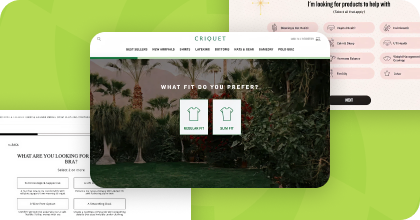
Build Your Own Product Quiz For Free Right Now
Simply give us your website URL and we will build you a completely on-brand product recommendation quiz for free.
Product quizzes have quickly become some of the highest-performing conversion tools in ecommerce because they make product discovery feel more personalized, interactive, and useful for shoppers.
Unlike static product grids or generic category pages, quizzes actively guide customers toward the right products based on their preferences, goals, and behaviors. That level of personalization keeps shoppers engaged longer and helps reduce the friction that often leads to bounce or abandonment.
Interactive experiences like quizzes also tend to outperform static content when it comes to engagement and conversion. Many brands use product quizzes to collect zero-party data, improve personalization, capture leads, and create more relevant follow-up marketing across email and SMS.
Below, we’ll break down exactly how product quizzes increase conversions, along with real-world quiz examples that show how leading ecommerce brands are using them to improve customer engagement and drive more revenue.
As ecommerce becomes increasingly focused on AI-driven personalization and agentic commerce, many brands are realizing that some of the most effective shopping experiences still come from guided, marketer-controlled interactions.
Product quizzes deliver many of the same benefits brands want from AI-powered shopping: personalized recommendations, contextual experiences, smarter segmentation, and real-time customer insights. The difference is that quizzes give marketers far more visibility and control over the customer journey while collecting valuable zero-party data directly from shoppers.
Instead of relying entirely on black-box automation, brands can build their own quiz experiences around specific customer needs, merchandising strategies, product education, and conversion goals.
That’s one reason quizzes continue to significantly boost customer engagement across ecommerce sites. They turn passive browsing into a more interactive shopping experience that helps customers find the right products faster while giving brands better data for personalization, email marketing, SMS campaigns, and retargeting.
Below, we’ll explore real-world ecommerce quiz examples that show how brands are using quizzes to create more personalized shopping journeys and drive stronger conversion performance today.
While agentic systems are still evolving, quizzes already do what most brands are chasing: they collect zero-party data, interpret intent, and activate personalization across channels instantly.
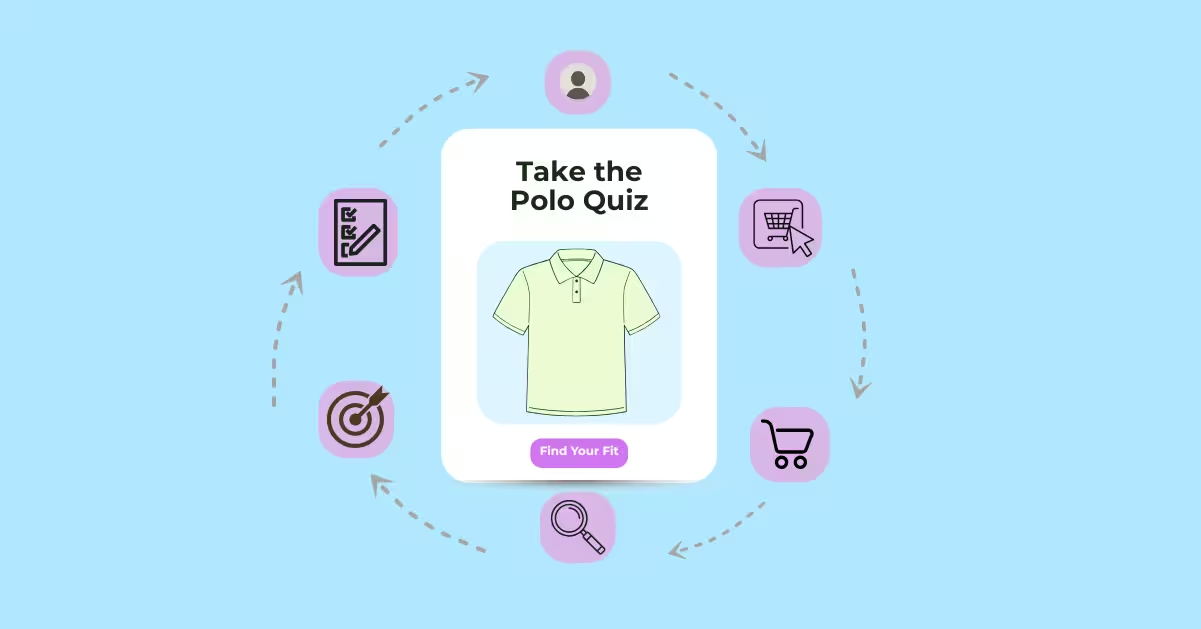
Product quizzes transform passive browsing into active engagement by having customers answer questions, collecting quiz answers that are then used to generate personalized recommendations.
This process not only guides shoppers to relevant products but also increases engagement and customer satisfaction. For Shopify and DTC brands, these experiences do more than boost conversions - they power your personalization engine. Product quizzes act as virtual sales assistants for online stores, guiding shoppers through overwhelming choices to the specific items they need.
Across brands powered by Digioh's identification and personalization layer, quizzes drive an average 300% lift in conversions and account for up to 10% of total online revenue. Interactive quizzes can increase conversion rates by 30-50% and significantly reduce bounce rates by engaging customers with interactive content, leading to longer site visits and higher conversion rates. With results pages, follow-up flows, and retargeting integrations built into one ecosystem, quizzes become a core conversion lever, not a gimmick.
Learn how a product recommendation quiz works from first interaction to conversion, including lead capture, personalization, product recommendations, and post-quiz follow-up.
Personalization has evolved from a nice-to-have into a conversion essential - 80% of consumers are more likely to purchase from a brand that personalizes experiences. A product recommendation quiz creates a truly personalized shopping experience and unlocks Shopify quiz personalization across channels.
Knix uses a fit quiz to segment shoppers by age, absorbency level, and lifestyle, fueling personalized Klaviyo flows that increase engagement and reduce returns. Similarly, Ranavat replicated in-store skincare consultations online, achieving a 294% increase in onsite conversions.
By capturing preferences, goals, and challenges, quizzes empower you to:
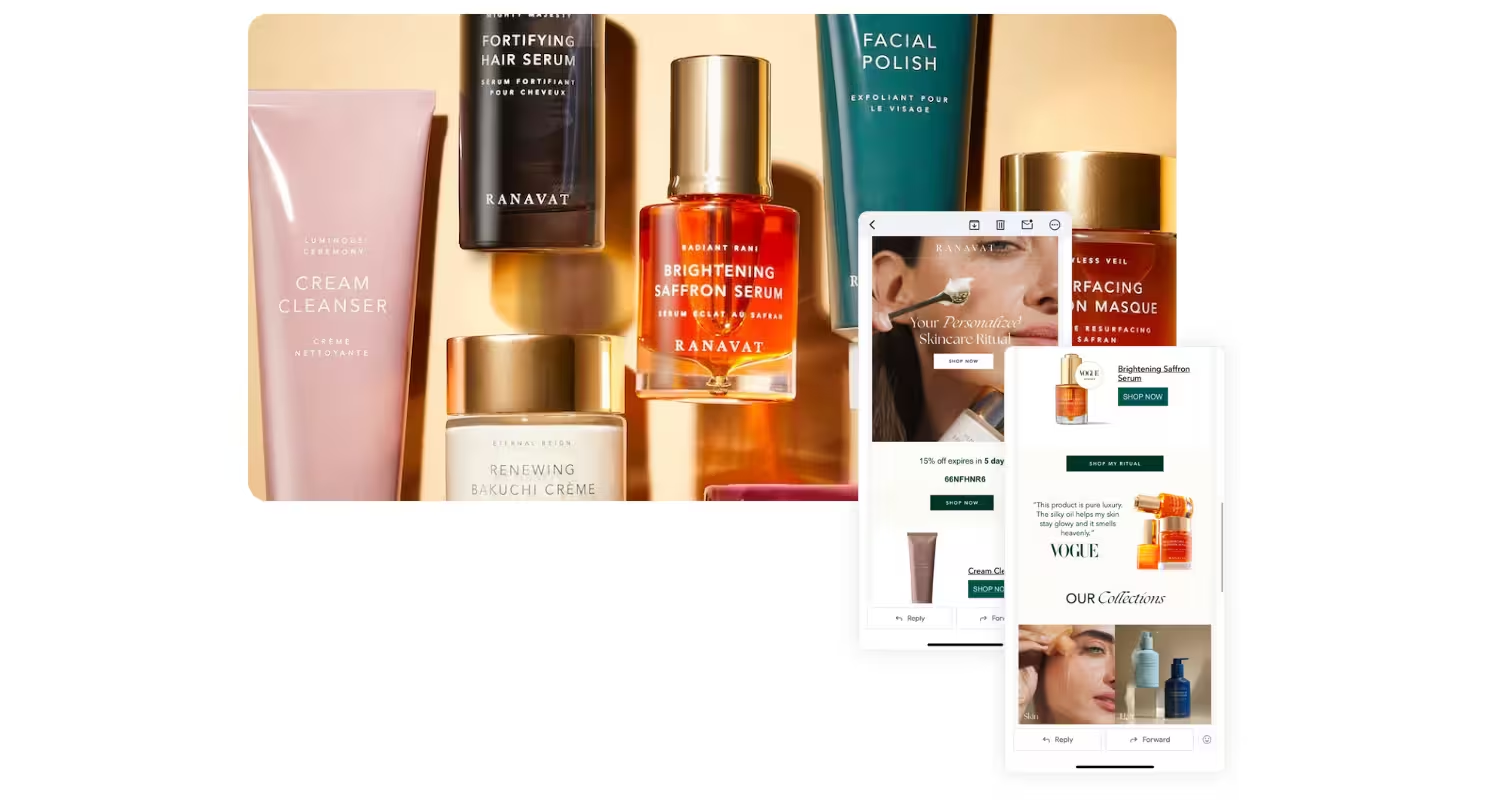
Personalized recommendations help shoppers find the right products faster while creating a more relevant shopping experience that improves conversion rates and customer satisfaction. That’s one reason product quizzes are so effective at engaging customers across the ecommerce journey.
Many ecommerce quiz examples also show that shoppers who buy through personalized recommendations are often more confident in their purchases, which can help reduce returns and improve long-term customer loyalty.
Rather than passive pop-ups, quizzes invite participation and offer value in exchange for an opt-in, making them ideal for collecting zero-party data.
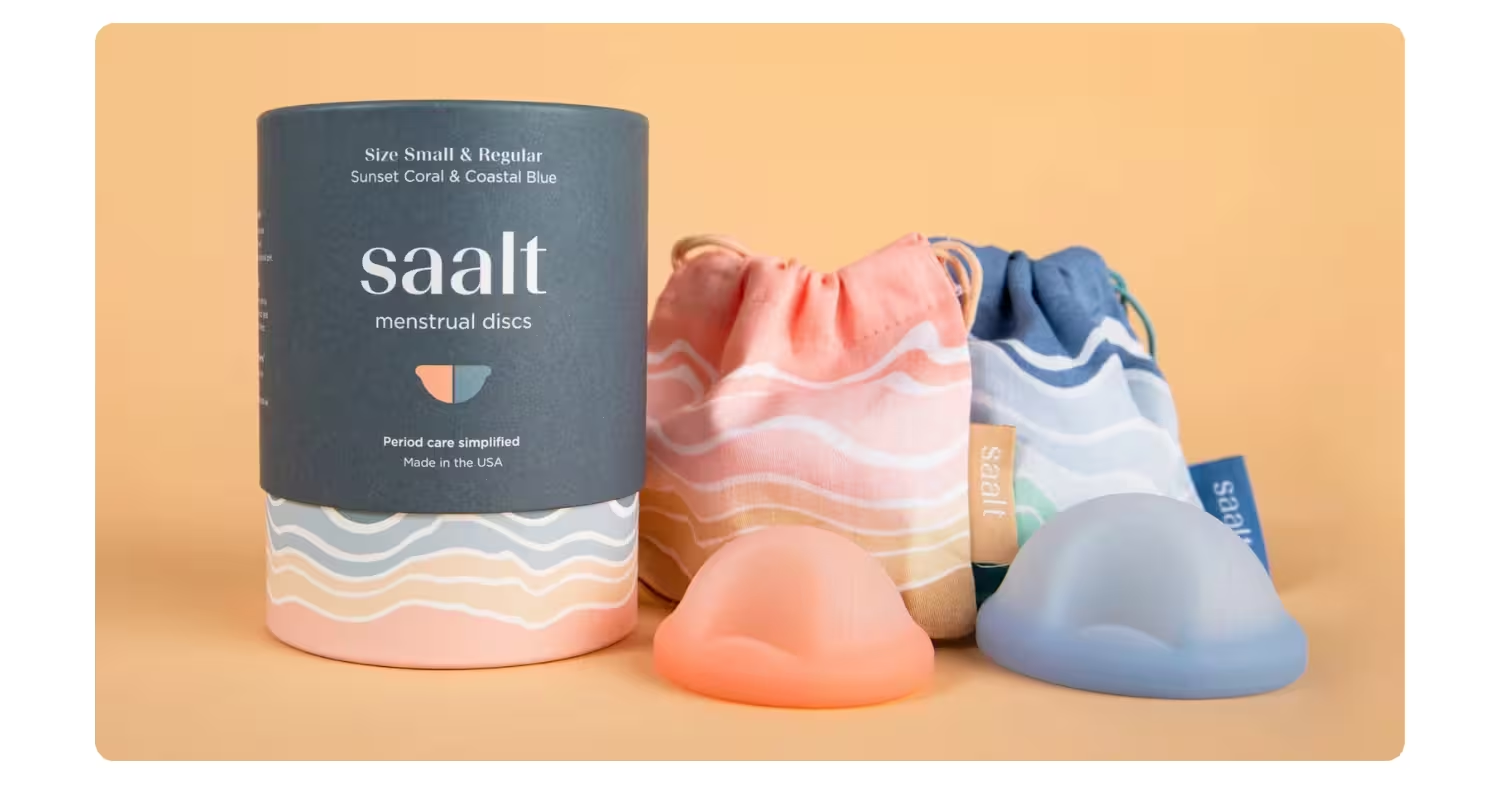
Saalt launched a multi-step pop-up and quiz that collected over 50 actionable data points to personalize email and SMS flows. Their welcome and post-purchase messages became more relevant, boosting long-term engagement.
According to insights from Digioh's BFCM Conversion Cookbook, quizzes also serve as top-performing lead magnets during high-traffic seasons. The most successful Shopify brands launch "holiday helpers" and "gift finders" that convert at 2-3x higher rates than static landing pages.
Quizzes see:
These flows outperform traditional marketing efforts because they start by understanding the shopper and providing helpful guidance.
The shopper tells you exactly what they need, and then interactive quizzes recommend the exact right products that fit their needs. This data is also passed directly into email and SMS platforms for powerful 1:1 remarketing throughout the entire customer journey.
Zero-party data—the information shoppers intentionally share through quizzes and onsite interactions—has become increasingly valuable as third-party cookies disappear and attribution becomes less reliable.
Product quizzes allow brands to collect customer data directly from shoppers in a way that feels helpful and personalized rather than invasive. Those insights help power stronger segmentation, more relevant recommendations, and 1:1 personalization across email, SMS, onsite experiences, and retargeting campaigns.
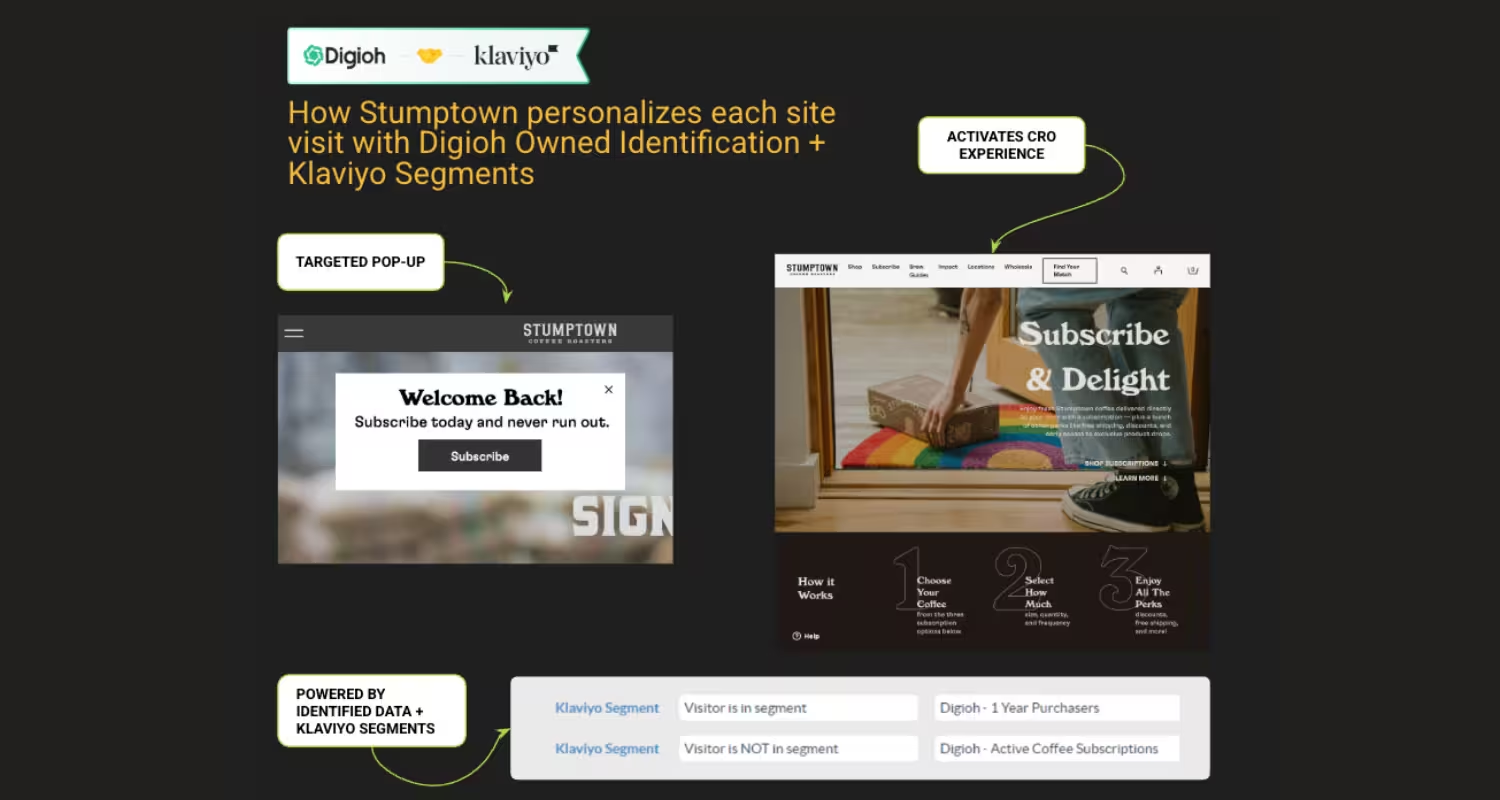
Brands like the iconic Portland-based Stumptown Coffee use Digioh's identity-first personalization platform to collect preference data (flavor, brew method, purchase intent) and sync it with Klaviyo to power segmentation and subscription flows. This direct data fuels:
The Quiz Best Practices Playbook reinforces this approach, outlining how quiz logic and metadata capture drive high-intent personalization. By blending structured data capture with real-time analytics, brands can continuously refine recommendations and messaging.
Unlike inferred data, zero-party data builds trust. Shoppers know what they've shared, and you can prove you're listening by personalizing every touchpoint in return.
Quizzes serve as an authentic data collection tool, allowing businesses to gather customer preferences and behaviors transparently, which helps maintain customer trust.
When shoppers feel uncertain, they hesitate and hesitation leads to cart abandonment. A common pain point in the shopping process is overwhelming customers with too many choices, which can lead to decision fatigue and lower conversion rates. Product quizzes address this by filtering through hundreds of options, helping customers find what they need quickly and reducing decision fatigue. This streamlined experience prevents choice overload and increases purchase confidence before checkout.
CrazyBulk's guided supplement quiz simplified decision-making, driving a 141% increase in conversion rate while capturing over 10,000 new subscribers in just 90 days. Likewise, Peak Wellness USA leveraged Digioh's quiz and identification suite to sell high-consideration saunas, achieving a 37x ROI in one month.
By pairing quiz data with personalized cart recovery emails, brands can:
Every marketing dollar matters, which is why more ecommerce brands are using quizzes as high-performing marketing tools for acquisition, personalization, and retargeting.
Product quizzes help brands build higher-intent audiences by collecting valuable preference and behavioral data directly from shoppers. That makes it easier to create more targeted paid campaigns, improve segmentation, and drive stronger ROAS across email, SMS, social, and retargeting efforts.
Quiz-driven campaigns also tend to generate more qualified traffic because shoppers are already engaging with a personalized experience before they ever reach a product page.
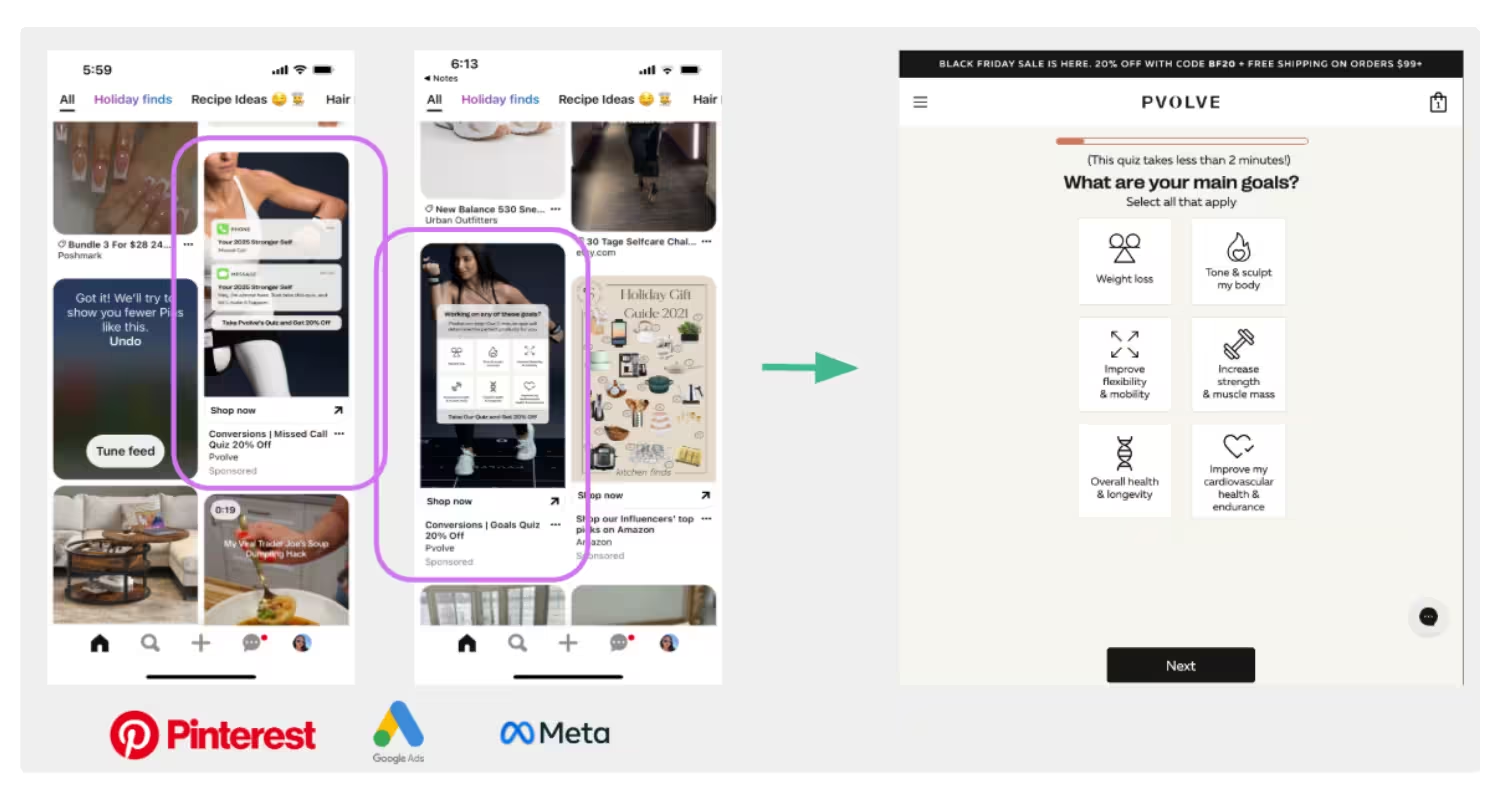
For example, Pvolve runs retargeting campaigns aimed at warm audiences - past site visitors and engaged users already in the funnel - to encourage them to take its Digioh-powered fitness quiz. This mid- to bottom-funnel strategy converts high-intent traffic through personalized quiz engagement. Because each segment is based on declared goals (e.g., strength, flexibility, recovery), ads drive higher click-through and lower cost per acquisition. Post-quiz data also fuels personalized landing pages, ensuring continuity from ad to checkout.
You can achieve similar results by connecting Klaviyo and Meta integrations directly within Digioh, enabling unified audience activation, cross-channel retargeting, and automated personalization based on quiz data. This makes it easy to:
Shoppable quizzes eliminate choice overload by guiding shoppers directly to curated bundles or single-click add-to-cart options. Imagine walking into a department store and instead of overwhelming choice, being greeted immediately by a product concierge that shows you exactly the products that best suit you. That's what multiple quizzes can do, at scale.
Shoppable quizzes not only boost sales by facilitating product discovery, but also help customers find the perfect gift or build routines through tailored recommendations. Brands see higher ecommerce sales and stronger Shopify quiz conversions when results pages are tailored exactly to their shoppers. Platforms like Digioh make this instantaneous and scalable for both brand and consumer, supporting flexible routine builders and product finders that adapt to various use cases.
Andie Swim's personalized fit quiz generated a 296% lift in conversions and 96x ROI, while Criquet Shirts doubled conversions and drove ecommerce sales of $271K in 30 days using Digioh's identification and personalization suite to tailor every touchpoint. These experiences mimic the confidence of in-store consultations, online.
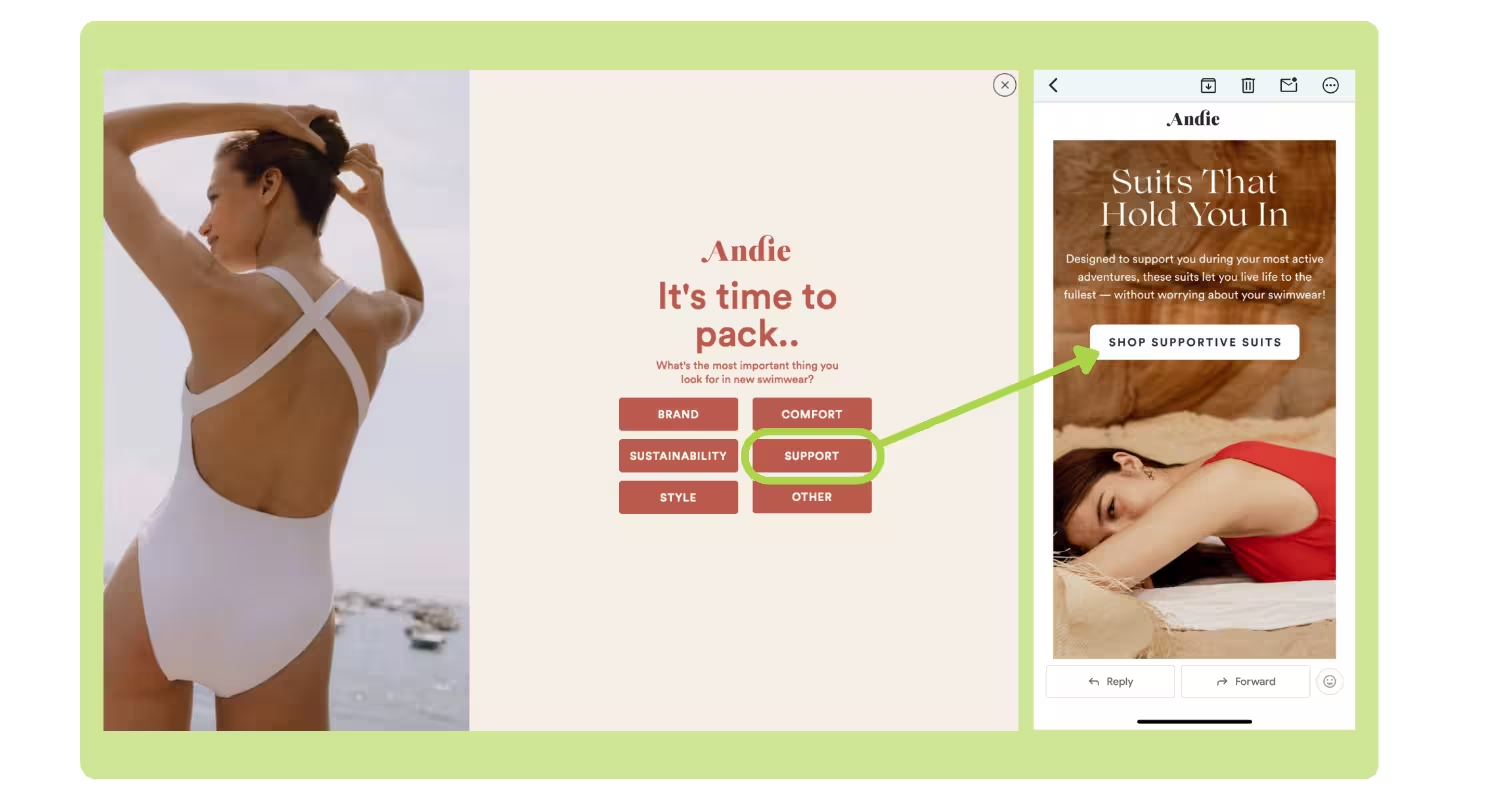
Quizzes often recommend bundles or complementary products that solve a customer's specific problem, increasing average order value (AOV).
At the end of a quiz, avoid overwhelming customers by recommending too many products. A few well-matched suggestions are far more effective at facilitating a decision.
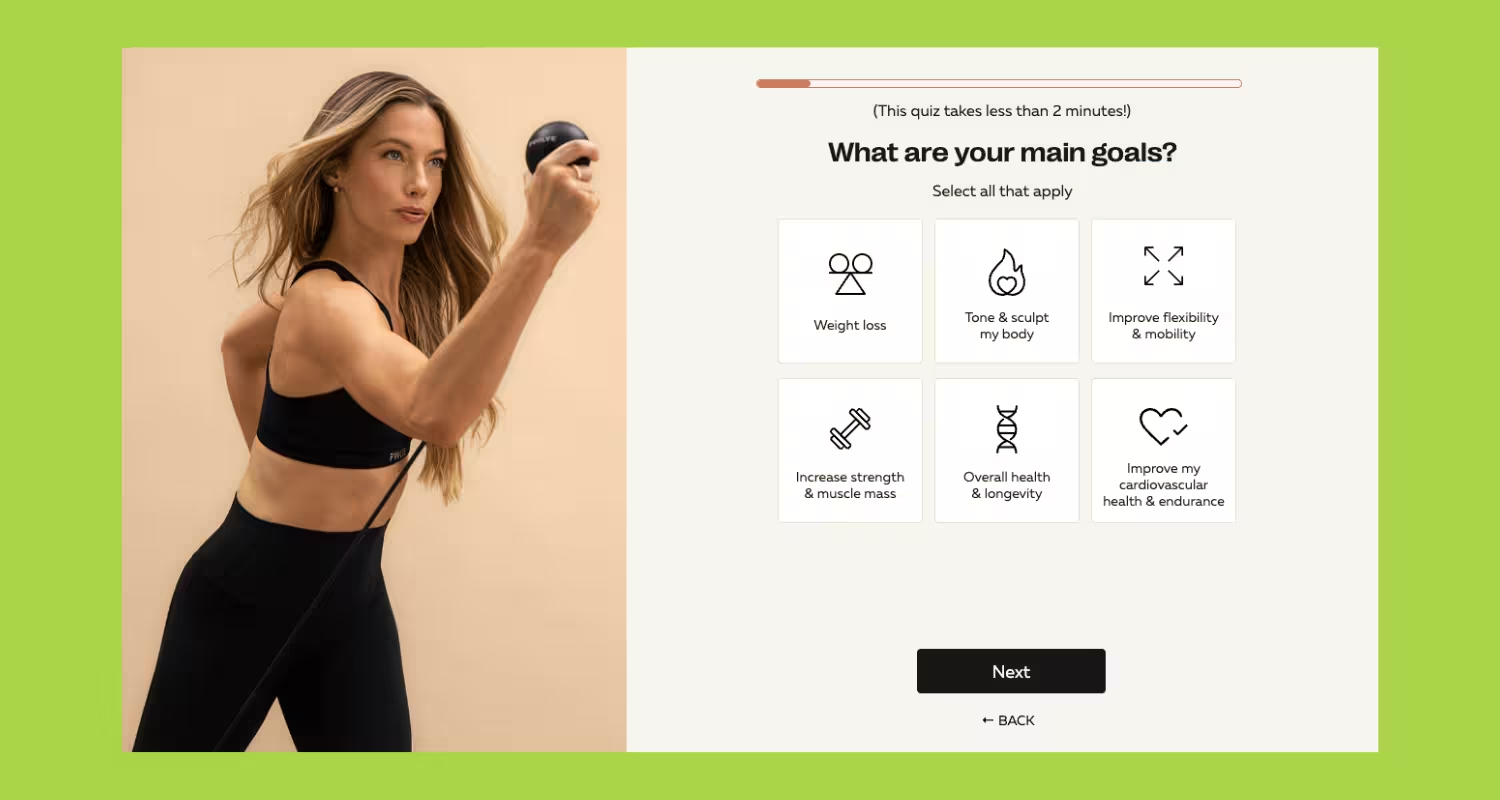
For strong ecommerce quiz design, focus your product quiz questions on goals, preferences, and barriers. Keep quizzes short and purposeful (5-7 questions). Use conversational phrasing and visuals to create flow. Incorporate follow-up questions that reference previous answers to personalize the experience and gather valuable insights, making your quiz an authentic data collection tool.
Invest in quiz logic that adapts to each answer path. For a Shopify quiz logic setup, use branching and weighted scoring to skip irrelevant steps and keep momentum. Routine builders are a flexible type of quiz that can support various use cases - product finders, gift finders, or guided filters - without being overly rigid or limiting future scalability. The Quiz Best Practices Playbook highlights how weighted scoring and micro-personalization can increase quiz completion rates by up to 40%.
Thoughtful quiz design has a major impact on performance. A strong Shopify product quiz should feel like a seamless extension of your site, using consistent branding, imagery, tone, and UX patterns so shoppers stay immersed throughout the experience.
The best quizzes also focus on how customers feel while moving through the journey. Questions should feel conversational, helpful, and easy to answer rather than overwhelming or overly technical. Effective quizzes guide shoppers naturally by answering questions they already have about fit, preferences, product selection, or purchase decisions.
That experience becomes even more valuable when paired with stronger personalization and retention marketing strategies. Personalized results pages, tailored product recommendations, and clear next steps help recreate the kind of guided, in-store consultation that many shoppers are missing online.
Quiz promotion should be a core part of your ecommerce marketing strategy, not something hidden in a navigation menu. The more qualified traffic that reaches your quiz, the more opportunities you create to personalize experiences, capture zero-party data, and guide shoppers toward conversion.
To increase quiz engagement, brands should embed quizzes across high-traffic areas of the site, including PDPs, collection pages, homepage banners, seasonal campaigns, gift guides, and exit-intent experiences. Strong visibility helps ensure more shoppers interact with the quiz during key decision-making moments.
The best-performing quizzes also focus on how customers feel throughout the experience. Product discovery should feel helpful, conversational, and personalized rather than overwhelming. Quizzes work best when they actively match customers with products that fit their preferences, goals, and needs while reducing friction in the buying journey.
Brands can then use analytics and performance data to optimize quiz placement, improve engagement, and refine broader marketing strategies over time.
Digioh is the identification and personalization layer for ecommerce marketing. Its no-code platform helps brands identify 5x more visitors, convert 3x more, and grow their lists 3x faster.
Digioh's no-code quiz builder integrates with 300+ marketing platforms, including Klaviyo, Attentive, and Meta. Digioh seamlessly connects with your existing tech stack, including Google Analytics, to track quiz performance and customer behavior, ensuring smooth data sharing and workflow optimization. Shopify brands choose Digioh because it:
From beauty to wellness to apparel, over 3,000 brands trust Digioh to power personalized, data-driven shopping experiences, including quizzes that help identify skin type for tailored skincare recommendations.
Product quizzes are no longer experimental ecommerce tactics. They’ve become some of the most effective tools for guiding shoppers, improving personalization, and increasing conversion rates across the customer journey.
Real-world quiz examples show how brands use quizzes to capture actionable zero-party data, create more personalized shopping experiences, and connect every touchpoint from product discovery to checkout. The result is a higher-performing conversion funnel that continues driving engagement, retention, and revenue long after the initial interaction.
With Digioh, brands can build and optimize quizzes using a flexible drag and drop editor, advanced targeting, real-time personalization, and integrations across email, SMS, ecommerce, and analytics tools.
Ready to build a higher-converting quiz funnel? Request a demo and see how Digioh helps turn more browsers into buyers.
A product quiz, also known as an ecommerce quiz, helps shoppers discover the right product through personalized questions and recommendations, while providing a tailored quiz experience that can be optimized for engagement and conversions.
You can collect zero-party data including preferences, purchase intent, and pain points, which can be used to improve personalization and marketing strategies.
Keep it short: 5-7 questions typically deliver the best completion and conversion rates.
Feature it in your site navigation, email flows, and paid ads. Use pop-ups and teaser sliders to engage high-intent visitors and build customer loyalty.
Ecommerce quizzes help brands identify visitors, collect zero-party data, and deliver personalized shopping experiences that drive higher conversions and ROAS. Use the tips in this post to grow your site with a product quiz and turn more browsers into buyers.
Don’t settle for siloed tools. With Digioh, you get one powerful platform for pop-ups, product quizzes, onsite identification, and more—everything you need to personalize every step of the customer journey. Identify more traffic. Collect more zero-party data. Turn insights into revenue.

<script type="application/ld+json">{ "@context": "https://schema.org", "@type": "FAQPage", "mainEntity": [{ "@type": "Question", "name": "How Do Product Quizzes Increase Conversions?", "acceptedAnswer": { "@type": "Answer", "text": "Guided selling experiences like product quizzes deliver all the benefits of agentic commerce—contextual, personalized, data-driven experiences—without the “black box” guesswork. They put control back in marketers’ hands, combining declared data with real-time engagement to create personalized shopping journeys right now, not someday." } },{ "@type": "Question", "name": "What is a product quiz in eCommerce?", "acceptedAnswer": { "@type": "Answer", "text": "A product quiz helps shoppers discover the right product through personalized questions and recommendations." } },{ "@type": "Question", "name": "What data can I collect from a product quiz?", "acceptedAnswer": { "@type": "Answer", "text": "You can collect zero-party data such as preferences, purchase intent, and pain points to personalize marketing." } },{ "@type": "Question", "name": "How long should a quiz be?", "acceptedAnswer": { "@type": "Answer", "text": "Keep it short—5–7 questions typically deliver the best completion and conversion rates." } },{ "@type": "Question", "name": "What’s the best way to promote my quiz?", "acceptedAnswer": { "@type": "Answer", "text": "Feature it in your site navigation, email flows, and paid ads. Use pop-ups and teaser sliders to engage high-intent visitors." } },{ "@type": "Question", "name": "Why should ecommerce brands use quizzes?", "acceptedAnswer": { "@type": "Answer", "text": "Quizzes help brands identify visitors, collect zero-party data, and deliver personalized shopping experiences that drive higher conversions and ROAS. Use the tips in this post to grow your site with a product quiz and turn more browsers into buyers." } }]}</script>